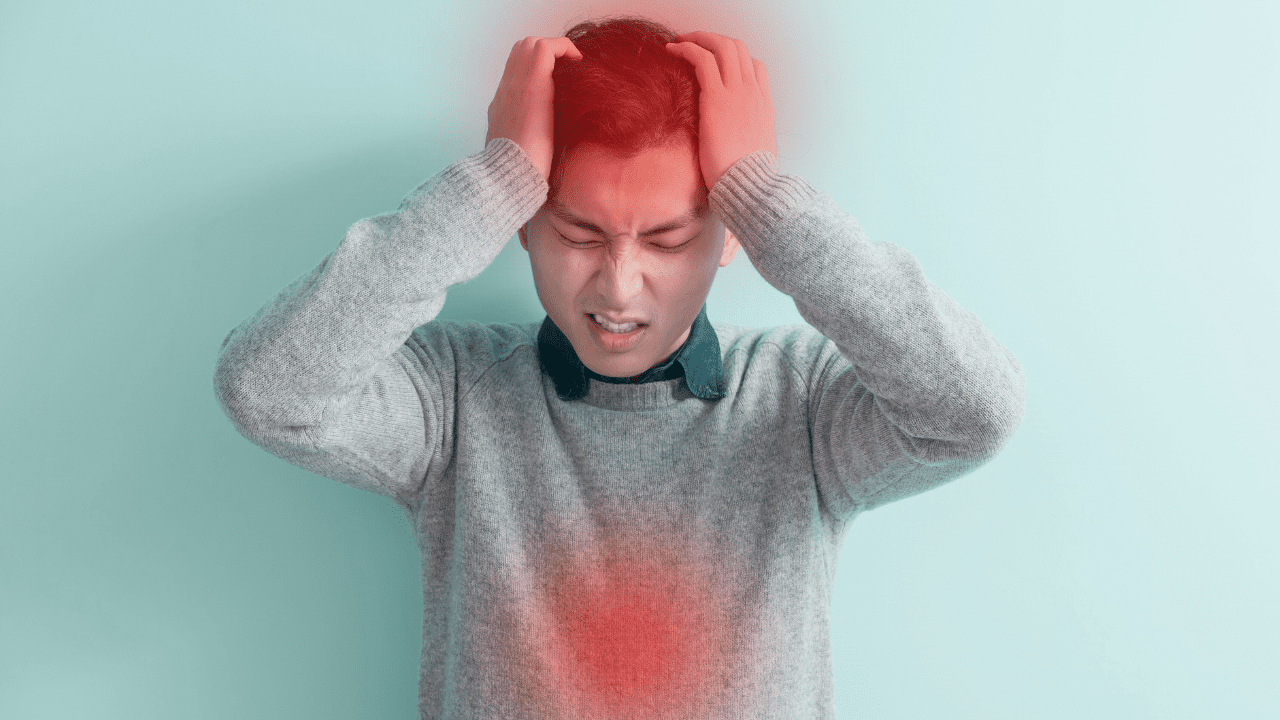
What if it’s not just ADHD driving your child’s symptoms? What if their gut health is part of the problem?
Most people assume ADHD is all in the brain, but what if it actually starts somewhere else?
Science now shows that your child’s gut — not just their mind — may be quietly fueling the symptoms you see every day.
In this second post of our 5-part series about the biology behind ADHD, we’re breaking down the gut–brain connection and revealing what’s really happening in your child’s body.
The Science (in Plain English): How the Gut Talks to the Brain
You’ve probably heard the phrase “gut feeling,” right?
There’s a reason it’s called that. Your gut has its own nervous system. It’s called the enteric nervous system (ENS), and it’s often referred to as your body’s “second brain.”
The ENS sends direct messages to your actual brain, messages that can shape your child’s behavior, emotions, and even their ability to focus.
Here’s where it gets even more eye-opening:
- The gut produces around 90-95% of the body’s serotonin, the “feel good” chemical that helps regulate mood and calm.
- It also produces around 50% of the body’s dopamine, which is critical for motivation, focus, and attention.
- It regulates GABA, which helps your child slow down and feel safe.
- And it’s involved with norepinephrine, which supports alertness and attention.
- Even acetylcholine, a key player in learning and memory, is tied to gut function.
That means when your child’s gut is inflamed, overloaded, or imbalanced, it doesn’t just cause stomach issues. It disrupts brain function.
So how exactly do those signals travel?
They travel through a powerful communication channel called the vagus nerve. Think of this nerve as a private hotline between the gut and the brain’s control center. When the gut is irritated (even without symptoms like tummy aches), it sends stress signals straight to the brain, and the brain responds as if it’s under attack.
The part of the brain that gets hit hardest is the frontal lobe, the very part responsible for:
- Focus
- Emotional regulation
- Impulse control
- Social awareness
- Decision making
In other words, all the things kids with ADHD already struggle with.
When the gut sends alarm signals, the frontal lobe can’t do its job properly. That’s when meltdowns, anxiety, outbursts, or emotional shutdowns happen, even if nothing obvious triggered them.
When the gut stays irritated long enough, that stress becomes full-body neuro-inflammation, and it often shows up as:
- Mood swings or OCD-like behaviors
- Sensory overload
- Trouble with transitions
- School refusal
- Chronic fatigue
- Even skin issues or disrupted sleep
Sometimes, even though gut dysbiosis is driving these issues, there are no digestive symptoms at all. There might be no bloating and no tummy pain but instead only challenging behavior that seems impossible to explain.
Emerging research suggests that children with ADHD often have altered gut microbiota profiles, and some of these gut bacteria and their metabolites can affect dopamine and serotonin signaling, immune activity, and gut barrier integrity—key pathways implicated in ADHD. A recent review in Nutrients proposes a gut–brain inflammatory model, in which dysbiosis, increased intestinal permeability (“leaky gut”), and immune activation may contribute to neuroinflammation and changes in brain circuits involved in attention and behavior.
Consistent with this, pediatric and population‑based studies report higher rates of gastrointestinal problems (such as constipation, abdominal pain, gas/bloating, and functional GI disorders including IBS) among individuals with ADHD, yet standard ADHD assessments rarely include a careful review of chronic digestive symptoms or gut health.
To learn more about the Gut-Brain Connection & ADHD, check out this post.
Because once you understand how the gut impacts the brain, you stop blaming your child (or yourself) and start addressing the real issue at its core.
The Signs Your Child’s Gut Might Be Driving Their ADHD Symptoms
Gut health problems don’t always show up as stomachaches. In fact, as we’ve already discussed in this post, many kids with gut dysfunction never complain about their stomachs at all. Instead, what parents notice are behaviors that seem “off”…things like emotional outbursts, anxiety, lack of focus, or sudden shutdowns.
Underneath those behaviors, there might be a deeper biological pattern playing out.
If you’re wondering whether gut health could be part of your child’s ADHD picture, here are a few simple questions to guide your awareness:
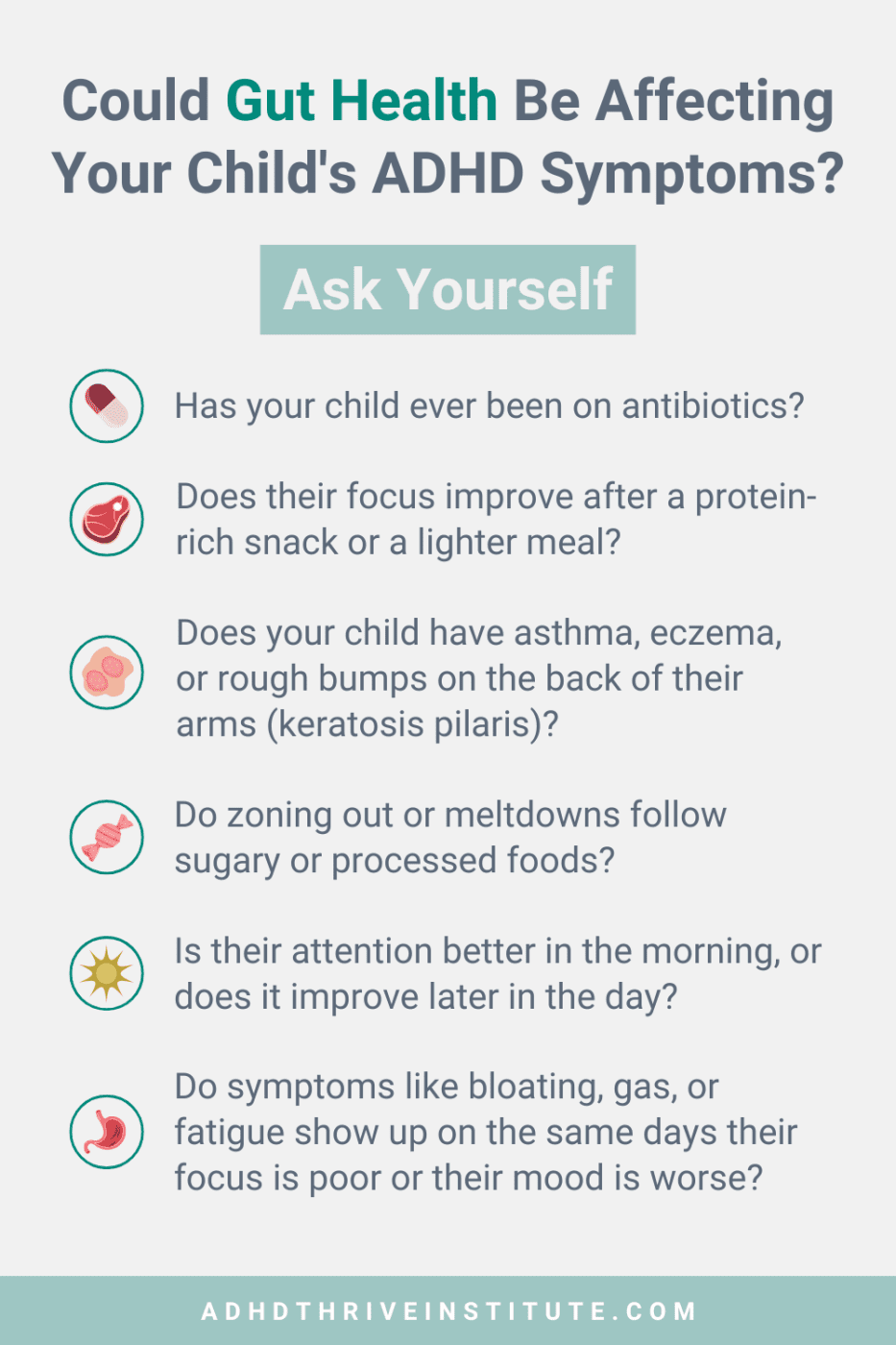
Ask Yourself:
- Has your child ever been on antibiotics?
Antibiotics wipe out bad bacteria, but they also kill the good bacteria that support mood, immunity, and focus. One round can disrupt gut flora for months (or longer).
- Does their focus improve after a protein-rich snack or a lighter meal?
If they seem calmer or more regulated after eating better-quality food, it could be a sign that poor digestion or blood sugar instability is part of the issue.
- Does your child have asthma, eczema, or rough bumps on the back of their arms (keratosis pilaris)?
These skin and respiratory symptoms are often tied to gut inflammation or food sensitivities.
- Do zoning out or meltdowns follow sugary or processed foods?
If you notice a crash after birthday cake, packaged snacks, or school lunch, their gut (and blood sugar) may be reacting.
- Is their attention better in the morning, or does it improve later in the day?
Shifts in focus can reveal how food and gut function are impacting brain performance throughout the day.
- Do symptoms like bloating, gas, or fatigue show up on the same days their focus is poor or their mood is worse?
These questions don’t replace lab tests or professional evaluations, but they’re powerful starting points that can help you recognize biological signals your child’s body is sending. Because these aren’t random moments. They’re messages from the gut. And once you learn how to listen to your child’s body (not just their behavior) the real story begins to unfold.
Gut Disruptors Most Parents Don’t Realize Are a Problem
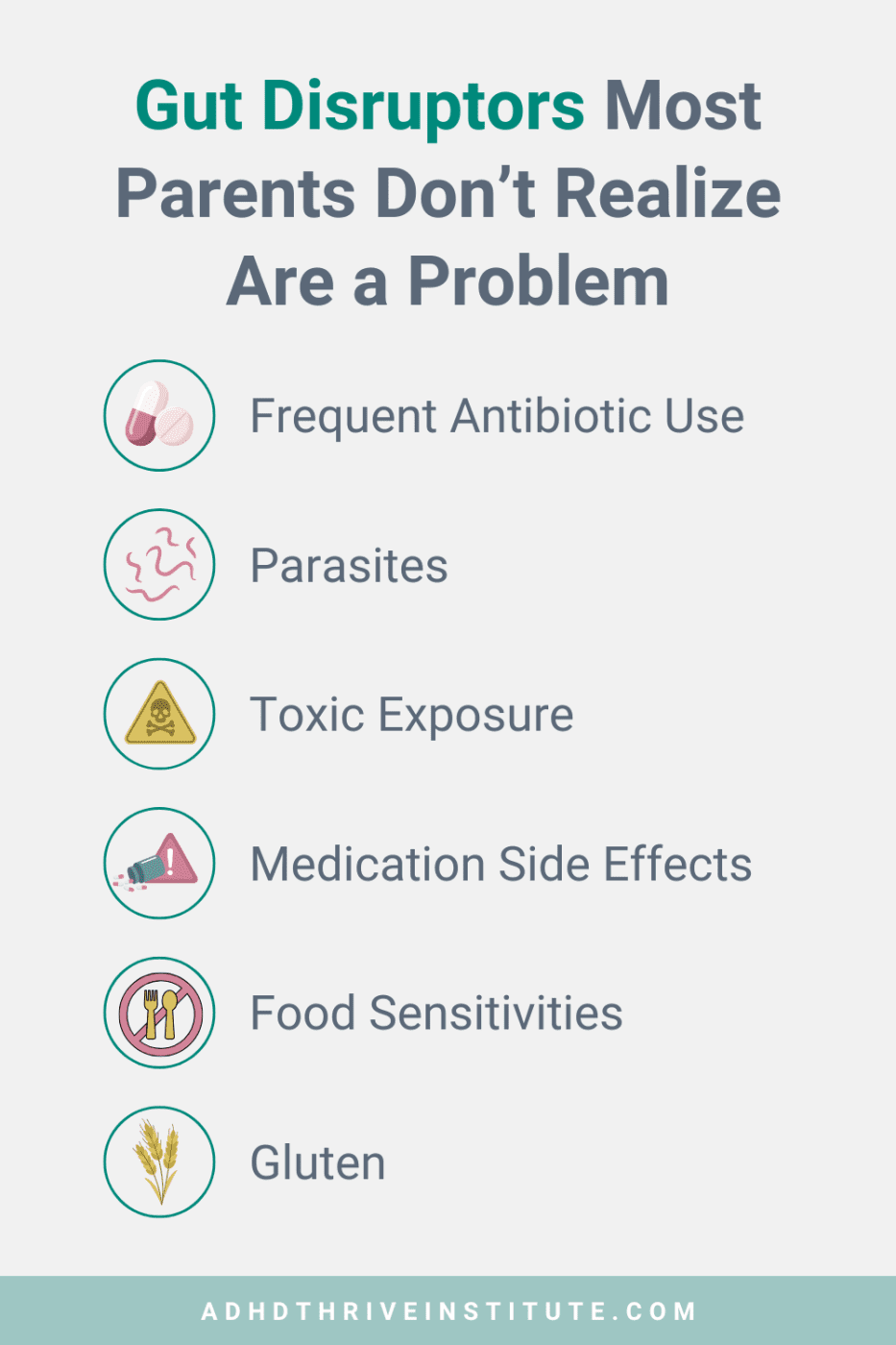
So far in this post, we’ve talked about how the gut influences your child’s ADHD symptoms, but what actually breaks that system in the first place?
In the over 1,600 families I’ve worked with, these are the most common gut disruptors I see, and many of them slip under the radar:
❌ Frequent Antibiotic Use
Even just one or two rounds of antibiotics can wipe out the good bacteria in your child’s gut. Without that balance, digestion suffers, inflammation rises, and the brain starts getting stress signals instead of calming ones.
❌ Parasites
They’re more common than most people realize, and they don’t always cause obvious digestive symptoms. Parasites can inflame the gut lining, interfere with nutrient absorption, and trigger a constant immune response that shows up as mood swings or meltdowns.
❌ Toxic Exposure
Kids (and adults) are surrounded by toxins every day from mold, plastics, pesticides, cleaning products, and even foods. When the body can’t eliminate these properly, they can damage the gut and overload the nervous system.
❌ Medication Side Effects
Some medications can irritate the gut lining, reduce stomach acid (which is needed for digestion), or disrupt the microbiome. For some kids, this adds fuel to an already dysregulated system.
❌ Food Sensitivities
Even “healthy” foods can quietly trigger inflammation if your child’s immune system flags them as a threat. Repeated exposure can lead to gut damage and behavioral flare-ups that seem totally unrelated to food.
❌ Gluten
This one deserves its own callout. Gluten is highly inflammatory for many kids with ADHD, even if they don’t have celiac disease. It can damage the gut lining, increase permeability (“leaky gut”), and interfere with mood and focus.
Knowing what to watch for puts you in a stronger position to support your child and, if possible, reduce their overall toxic load.
Now, let me show you what this looks like in real life.
Real-Life Example: Elisha’s Story
Elisha was a mom who came to us feeling completely stuck. Her daughter wasn’t dealing with stomach pain, constipation, or any obvious gut symptoms. In fact, on the surface, everything seemed “fine.”
But under the surface, she was battling intense emotional meltdowns, crippling anxiety, and OCD-like behaviors that made daily life exhausting for the whole family. Elisha had tried everything, and nothing was really working.
So we looked deeper through functional lab testing.
Lab testing revealed her daughter had parasites, H. pylori, mold exposure, and signs of leaky gut, all of which were quietly affecting her mood, nervous system, and emotional regulation.
Once we started supporting her gut and removing those biological stressors, the meltdowns stopped, her anxiety eased, and one day, Elisha said something that still gives me chills:
“She even tells me she’s happy now.”
That’s what this work is about: not just fewer tantrums or better focus but helping kids feel safe in their own bodies again.
And it all started with a system that most parents (and doctors) don’t think to check: the gut.
How to Start Supporting Gut Health in Kids with ADHD (and a Free Tool to Help)
If reading this has you thinking, “Okay… this explains a lot, but now what?” take a breath. You don’t have to fix everything overnight.
In fact, the best gut healing plans start small with gentle, doable shifts that support your child’s biology without adding more stress to your life.
Here are a few simple first steps to begin supporting gut health at home:
- Cut back on processed foods and add more whole foods and grass-fed or wild-caught protein sources and healthy fats.
Food dyes, preservatives, artificial sweeteners, and excess sugar can inflame the gut and make symptoms worse. Focus on real, whole foods as much as possible. Whole foods help feed beneficial gut bacteria and support regular digestion.
- Consider probiotics.
Fermented foods like sauerkraut, kefir, and coconut yogurt can gently rebalance the gut. You can also consider a high-quality probiotic supplement (talk to your practitioner if you’re unsure where to start).
My absolute favorite probiotic, especially for kids with ADHD, is called Pro Essentials. Learn more about it here.
- Start observing patterns.
Does your child’s mood, focus, or behavior shift after certain foods? At certain times of day? Write it down. These clues are often the key to personalized progress.
Need help figuring out these patterns and what’s driving your child’s symptoms?
That’s exactly why I created the ADHD Thrive Decoder Kit.
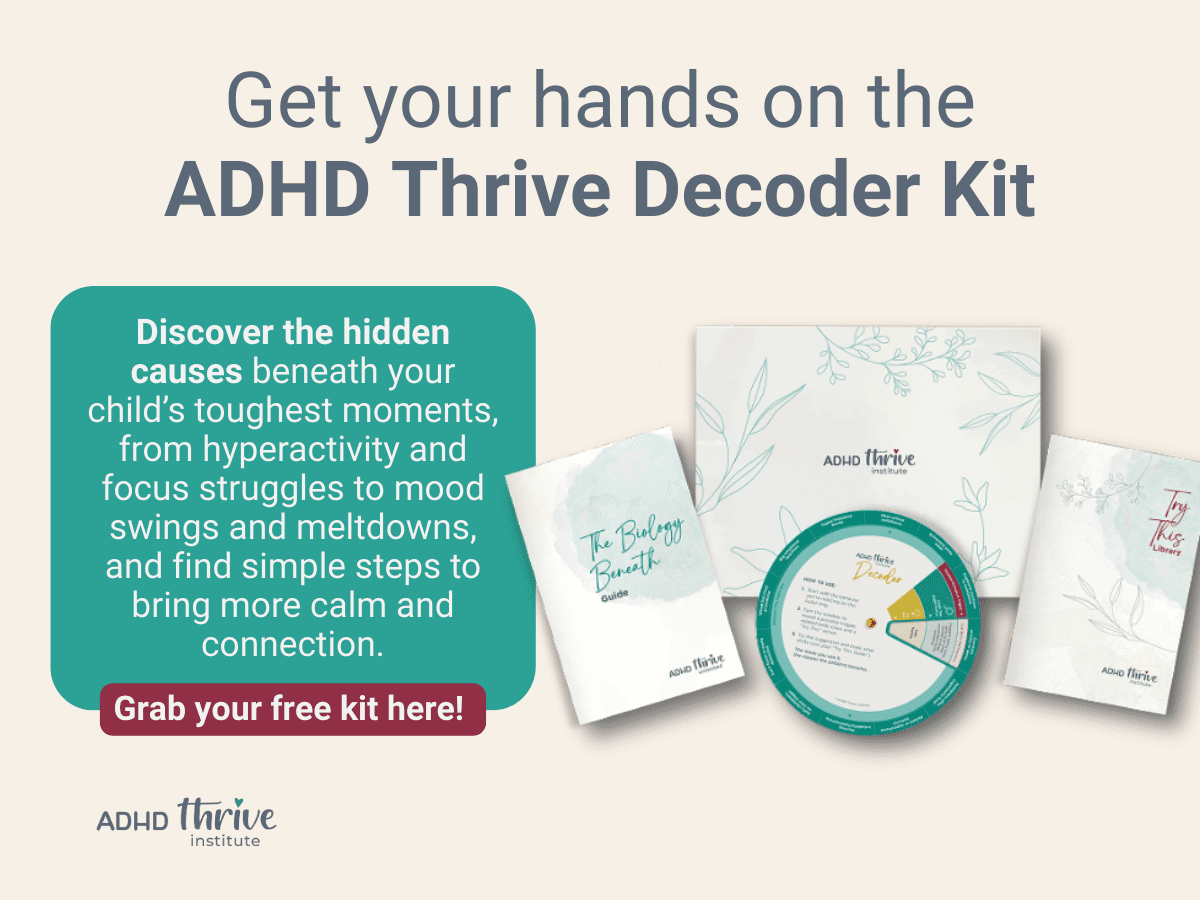
This free kit (just cover shipping) includes:
✔️ The Decoder Wheel — a visual tool that helps you identify which of the 5 biological stressors are most likely behind your child’s symptoms, including gut dysfunction.
✔️ Quick-start guides that explain what you’re seeing.
✔️ Simple “Try This Today” steps so you can start immediately — no meal plans, no overwhelm, just real momentum.
The gut–brain layer is one of the five stressors covered in the kit, and once you learn how to spot the biological patterns, your child’s behavior starts to make a lot more sense.
Grab your free Decoder Kit here. Just pay shipping!
Please note: At this time, shipping is available within the United States only.
- If you’re ready, consider functional testing.
Testing for parasites, yeast, bacteria imbalances, or food sensitivities can reveal what’s going on inside your child’s gut so you can stop guessing and start targeting the underlying stressors in the body.
Coming Up in the ADHD Biology Series
We’ve now uncovered two of the five biological stressors that drive so many ADHD symptoms and often go completely unnoticed:
Part 1: Blood Sugar Dysregulation
Part 2: Gut–Brain Dysfunction ← You’re here
Up next?
Part 3: Food Reactions and Sensitivities
In the next post in this series, we’ll explore how even healthy foods can quietly trigger inflammation, mood swings, and meltdowns and how to spot the hidden culprits in your child’s diet.
This series is all about giving you clarity so you can finally stop guessing and start helping your child thrive.
Be sure to subscribe or follow us so you don’t miss the next installment. These posts are packed with the missing pieces parents have been searching for, and each one builds on the last.
FAQs About Gut Health and ADHD
- Can gut issues really affect ADHD symptoms even if my child has no stomach pain?
Yes, many kids with gut dysfunction don’t have digestive complaints. Instead, the signs often show up as mood swings, anxiety, meltdowns, poor focus, or skin issues. The gut and brain are deeply connected, even when the gut feels “fine.”
- What foods are best for gut health in ADHD kids?
Whole, unprocessed foods are a great starting point. Fiber-rich fruits and vegetables, fermented foods (like coconut yogurt or sauerkraut), and lean proteins support healthy digestion. Limiting sugar and processed snacks also helps calm inflammation. I’ve written and spoken quite a bit about this topic, so check out these podcast episodes to learn more: The ADHD Diet, Part 1 or The ADHD Diet, Part 2.
- How do antibiotics affect gut health?
Antibiotics wipe out both bad and good bacteria. This can throw off the gut’s delicate balance and lead to long-term issues with digestion, immunity, and neurotransmitter production, especially if your child has taken multiple rounds.
- Should I get my child tested for gut issues?
Functional lab testing can reveal hidden issues like parasites, yeast overgrowth, or food sensitivities. It’s not always the first step, but it can be incredibly helpful if your child has stubborn symptoms that don’t improve with basic changes. Go here to learn more about functional lab testing.
- Is gluten always a problem for kids with ADHD?
Many kids with ADHD are sensitive to gluten, even if they don’t have celiac disease. It can increase gut inflammation and permeability (“leaky gut”), which in turn affects brain function and behavior. An elimination trial can provide insight. To learn more about gluten and ADHD, go here.
References:

Cickovski T, Mathee K, Aguirre G, Tatke G, Hermida A, Narasimhan G, Stollstorff M. Attention Deficit Hyperactivity Disorder (ADHD) and the gut microbiome: An ecological perspective. PLoS One. 2023 Aug 18;18(8):e0273890. doi: 10.1371/journal.pone.0273890. PMID: 37594987; PMCID: PMC10437823.

Kedem S, Yust-Katz S, Carter D, Levi Z, Kedem R, Dickstein A, Daher S, Katz LH. Attention deficit hyperactivity disorder and gastrointestinal morbidity in a large cohort of young adults. World J Gastroenterol. 2020 Nov 14;26(42):6626-6637. doi: 10.3748/wjg.v26.i42.6626. PMID: 33268951; PMCID: PMC7673962.

Lewis N, Lagopoulos J, Villani A. Gut-Brain Inflammatory Pathways in Attention-Deficit/Hyperactivity Disorder: The Role and Therapeutic Potential of Diet. Metabolites. 2025 May 19;15(5):335. doi: 10.3390/metabo15050335. PMID: 40422911; PMCID: PMC12113503.

Liu Yang, Zhang Panpan, Sun Hao. “A narrative review of research advances in gut microbiota and microecological agents in children with attention deficit hyperactivity disorder (ADHD)” Frontiers in Psychiatry Volume 16. 2025 https://www.frontiersin.org/journals/psychiatry/articles/10.3389/fpsyt.2025.1588135 doi: 10.3389/fpsyt.2025.1588135

Marano G, Sfratta G, Marzo EM, Cozzo G, Abate F, Traversi G, Mazza O, Capristo E, Gaetani E, Mazza M. The Pediatric Microbiota-Gut-Brain Axis: Implications for Neuropsychiatric Development and Intervention. Children (Basel). 2025 Nov 17;12(11):1561. doi: 10.3390/children12111561. PMID: 41300676; PMCID: PMC12651788.

Ming X, Chen N, Ray C, Brewer G, Kornitzer J, Steer RA. A Gut Feeling: A Hypothesis of the Role of the Microbiome in Attention-Deficit/Hyperactivity Disorders. Child Neurol Open. 2018 Jul 11;5:2329048X18786799. doi: 10.1177/2329048X18786799. PMID: 30023407; PMCID: PMC6047248.