
Does your ADHD child seem to wake up angry? Not just groggy, but wired, defiant, and on edge.
Fast forward to 3:30 p.m. Do they walk in the door and within minutes, have a full blown meltdown?
On the surface, it looks like ADHD and that all-too-common symptom of emotional dysregulation. But beneath the surface, something else is likely running the show.
And for some reason, very few people are talking about it. That’s what this blog post is all about.
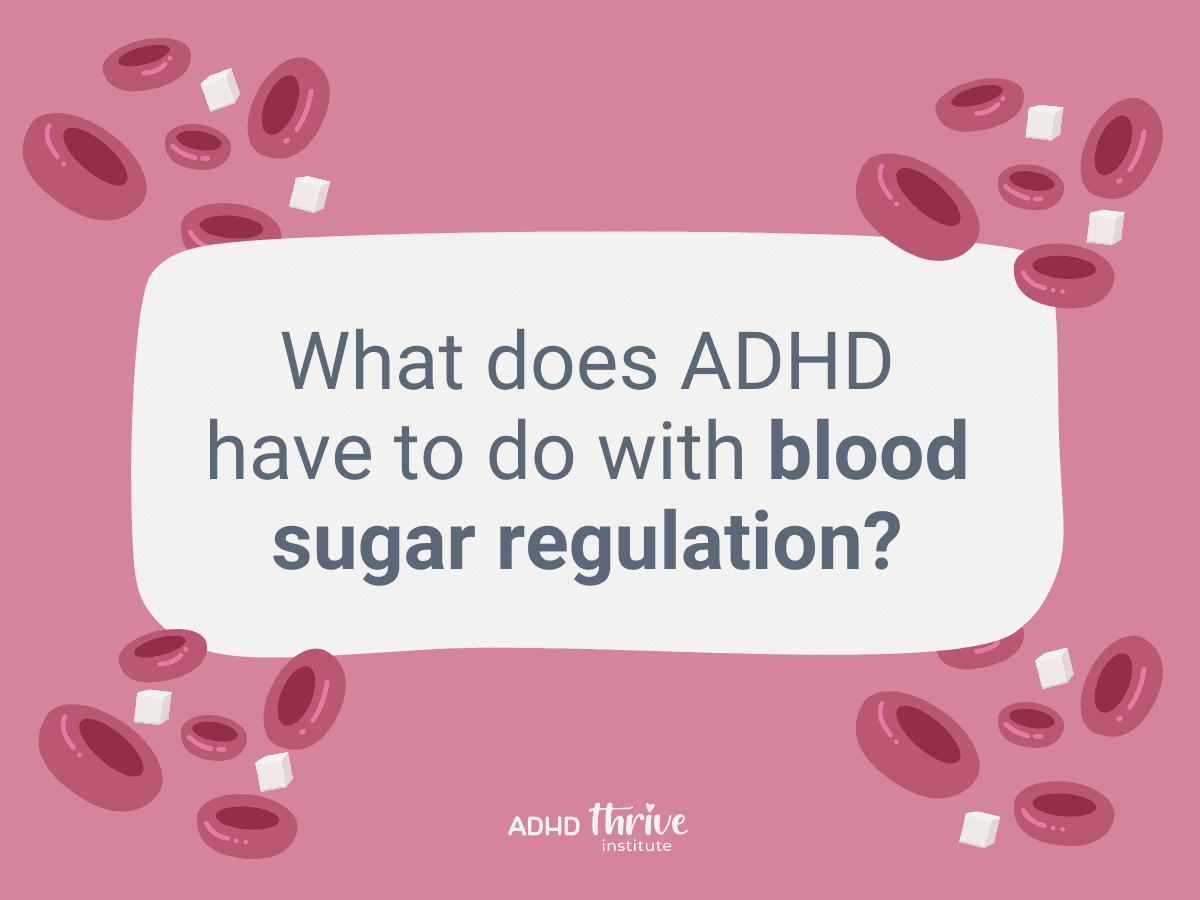
Because what if the real reason for these intense highs and lows wasn’t just ADHD, but unstable blood sugar?
Blood sugar is not something most ADHD parenting books mention, and definitely not something pediatricians talk about during 15-minute appointments. But my experience working with over 1600 kids with ADHD has taught me that ADHD kids are more sensitive to blood sugar swings, and those swings can look a lot like moodiness, hyperactivity, and emotional dysregulation.
In this first post of our 5-part ADHD Biology Series, we’re pulling back the curtain on what’s really happening inside your child’s body. Today, we’re focusing on those especially chaotic windows: early mornings and after school.
I’m also giving away a brand new resource to help ADHD parents: a free ADHD Decoder Kit. I’ll share more about it later on in this post, so keep reading!
The ADHD-Blood Sugar Connection That Changes Everything
Most people think of blood sugar as something only diabetics need to worry about. But the truth is, every child is deeply affected by how their blood sugar rises and falls throughout the day.
Here’s what’s really happening behind the scenes:
When your child eats, their blood sugar (also called glucose) naturally rises. That’s normal. But if their meal is mostly carbs with little to no protein or fat, that rise happens fast (too fast). And what goes up quickly comes crashing down just as fast.
That crash is when ADHD symptoms come roaring in:
- Meltdowns
- Mood swings
- Defiance
- Inability to focus
- Major emotional dysregulation
This is not because your child is “acting out,” but because their brain is low on fuel and panicking.
Now let’s layer in a little more biology.
When blood sugar drops too low, the body reacts with a stress response. It releases cortisol (your stress hormone) and adrenaline (your fight-or-flight hormone) to bring levels back up. This sounds helpful, but for a child with ADHD, this hormonal surge can push their nervous system into overdrive.
That means more hyperactivity, more emotional reactivity, and more impulsive behavior.
Why? Because ADHD brains are often more sensitive to blood sugar swings, and they’re already working harder to regulate dopamine, energy, and attention. When fuel runs out, everything falls apart faster.
This is why mornings and afternoons are especially intense. In the morning, they haven’t eaten in 10+ hours. After school, lunch is long gone (and often wasn’t balanced to begin with. I could write a whole other post on the issues with school lunches, but that’s another topic for another day).
The behavior you’re seeing is real, but it didn’t start with attitude or a trigger. It started with a body running on empty. Let’s dive in a little deeper into why these two times of day tend to be especially difficult for ADHD kids.
Why Mornings and Afternoons Are a Battle with ADHD Kids and How to Break the Cycle
Let’s take a closer look at the two most chaotic windows in most ADHD households:
🕖 Early morning
🕞 Right after school
Though totally different times of day and totally different circumstances, for many families, the same biological pattern is playing out in both.
Mornings: Running on Empty
Many ADHD kids wake up already dysregulated. It’s not because they’re difficult, but because they’ve gone 10–12 hours without food. Their blood sugar is low, cortisol is high, and their nervous system is on high alert before they even leave their room.
Does any of the following sound familiar?
- Meltdowns over tiny things (wrong spoon, itchy tag)
- Loud, defiant, or over-the-top energy
- Bouncing between tasks with zero focus
- Already overstimulated before breakfast
This is likely a stress response from an under-fueled brain. Think of it like this:
Your child’s brain is like a high-performance electric car. Overnight, while they’re sleeping, that car is still running — repairing, growing, detoxing.
But by morning, after a hard night of work, the battery is drained. Without fuel (a balanced breakfast), it doesn’t have what it needs to get going smoothly.
Unfortunately, if their first food of the day is a quick carb — like toast, cereal, or fruit — it spikes their blood sugar fast and then crashes it just as quickly, which means by mid-morning, they’re spiraling again.
Afternoons: The Crash After the Climb
Now fast-forward to after school. They walk in the door, and immediately a fight breaks out. Why?
Many ADHD kids:
- Barely eat their school lunch
- Eat mostly carbs, processed foods, or junk (sandwich, crackers, packaged foods, treats, etc)
- Have little to no protein or fat to keep blood sugar stable
This results in a massive sugar spike, followed by a sharp crash. By the time they get home, their tank is empty…and so is their capacity to cope.
You didn’t get “their worst.” You got their depleted.
The good news is that this cycle is not permanent, and the solution is surprisingly simple, starting with one powerful rule.
One Simple Food Rule That Can Calm ADHD Behavior (Without a Massive Diet Overhaul)
If there’s one practical change I recommend to every parent of a child with ADHD, it’s this:
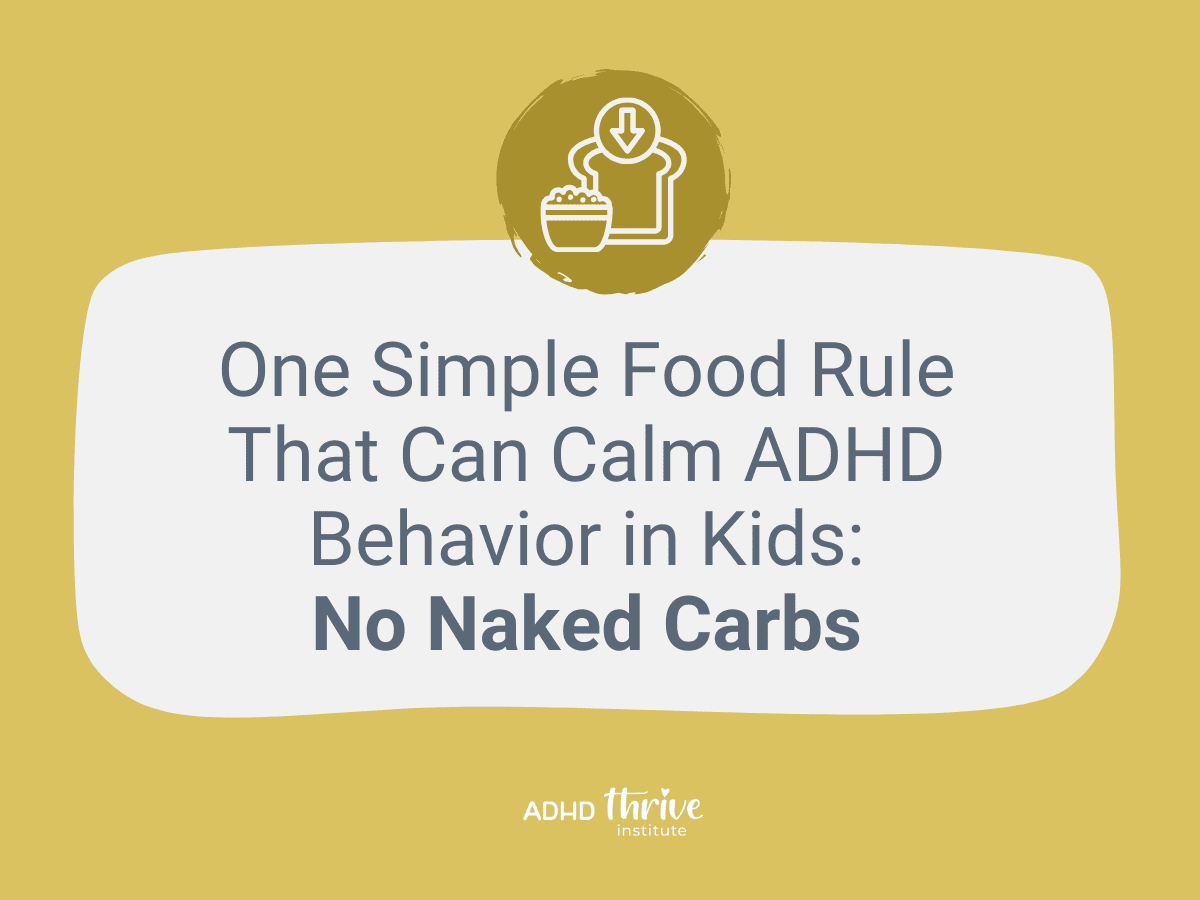
No. Naked. Carbs.
That means that every carb should be paired with a protein or a healthy fat.
Here’s why it works:
When your child eats a solo carb — like fruit, toast, crackers, or cereal — their blood sugar spikes quickly. That spike might give them a short burst of energy, but what goes up fast comes down hard.
When you pair that carb with protein or fat, it slows the glucose release and keeps their blood sugar (and their mood) stable.
Think of it like giving their nervous system a steady drip of fuel instead of a rollercoaster ride.
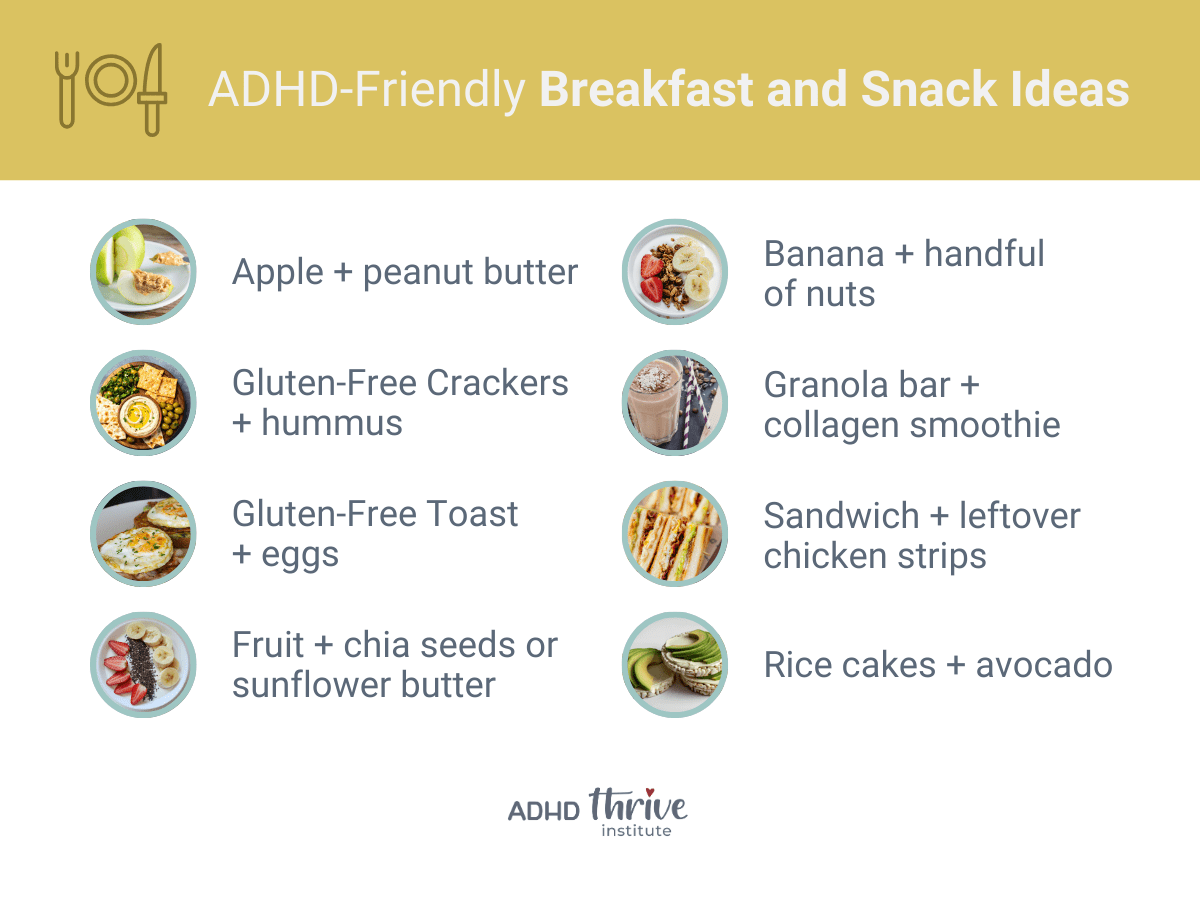
Easy, ADHD-Friendly Carb Pairings
You don’t need fancy recipes or Pinterest lunches to stick to this rule. Just simple, realistic combos that work in real life:
- Apple + peanut butter
- Gluten-Free Crackers + hummus
- Gluten-Free Toast + eggs
- Fruit + chia seeds or sunflower butter
- Banana + handful of nuts
- Granola bar + collagen smoothie
- Sandwich + leftover chicken strips
- Rice cakes + avocado
This one small shift – no naked carbs – can dramatically reduce emotional dysregulation, especially in the morning and after school when blood sugar is most likely to tank.
What’s Next in This ADHD Biology Series
If blood sugar was a lightbulb moment for you, just wait. This is only the beginning.
This blog is Part 1 of our 5-part ADHD Biology Series, designed to help you stop guessing and start understanding what’s actually driving your child’s symptoms beneath the surface.
Here’s what’s coming next:
Part 2: Gut-Brain Dysfunction
How the gut impacts ADHD symptoms and what you can do to support it naturally.
Part 3: Food Reactions and Sensitivities
Why even “healthy” foods might be triggering your child’s symptoms and how to spot the hidden culprits.
Part 4: Poor Detox Pathways
What happens when your child’s body can’t clear toxins and how this overload can mimic or worsen ADHD symptoms.
Part 5: Nutrient Deficiencies
Common nutrient gaps in kids with ADHD, and why supplements alone often aren’t enough.
This series is about giving you answers, not more advice that makes you second-guess yourself. Be sure to subscribe, follow, or bookmark so you don’t miss any part of this series. These next few posts could be the missing pieces you’ve been searching for.
Bonus Resource: The ADHD Thrive Decoder Kit
If you’re nodding along and thinking, “This finally makes sense…” the next step is simple:
Get your hands on the ADHD Thrive Decoder Kit.

This free (yes, free, you just cover shipping) resource helps you decode the 5 most common biological stressors behind ADHD symptoms so you can stop feeling stuck and start making progress.
Inside the kit, you’ll get:
✔️ The Decoder Wheel – A simple visual tool to help you identify what’s happening beneath the behavior
✔️ Quick-Start Guides – That explain exactly what you’re seeing
✔️ “Try This Today” Action Steps – So you know what to do right now
This is the resource I wish I had when I was drowning in meltdowns and confusion with my own son. It’s clear, practical, and built with real families in mind.
(Just cover shipping — we’ll get it in the mail right away.)
Because the more you understand your child’s biology, the less power ADHD has over your home.
FAQs About ADHD and Blood Sugar
- Can blood sugar really affect my child’s ADHD symptoms?
Yes, absolutely. Fluctuating blood sugar levels can trigger irritability, hyperactivity, brain fog, and emotional meltdowns, all of which are commonly mistaken for “just ADHD.” Stabilizing blood sugar helps the brain function more consistently throughout the day.
- What should kids with ADHD eat for breakfast to avoid crashes?
Start the day with protein and healthy fat. Great ADHD-friendly breakfast ideas include: eggs and avocado on toast (gluten-free recommended), smoothies with protein powder, or almond butter on whole-grain gluten-free waffles. Always pair carbs with protein to keep blood sugar stable.
- Are all carbs bad for kids with ADHD?
Not at all. Carbs are important for energy, but they need to be paired with protein or fat. We call this the “no naked carbs” rule. When eaten alone, carbs can spike blood sugar quickly, then crash, leading to increased ADHD symptoms.
- How do I get my picky eater to follow this “no naked carbs” rule?
Keep it simple. You don’t need gourmet meals. Try pairing a favorite carb with a kid-approved protein: crackers with hummus, fruit with nut butter, or a granola bar alongside a protein smoothie. Small tweaks make a big difference.
- Will this fix my child’s ADHD symptoms completely?
Blood sugar balance is only one piece of the puzzle, but it’s an important one. It won’t “cure” ADHD, but stabilizing blood sugar can significantly reduce emotional outbursts, improve focus, and help regulate mood. That’s why it’s the very first step in our ADHD Thrive Decoder Kit. Get your free kit here!