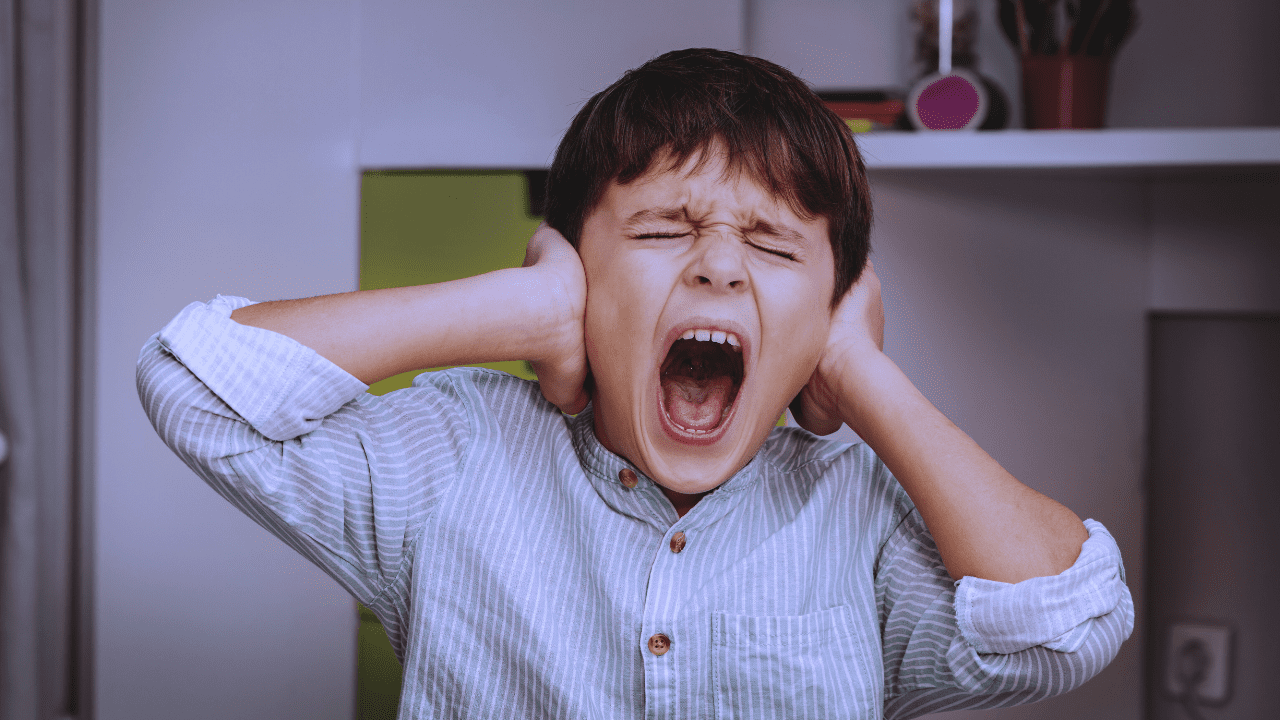
Anger isn’t always loud, but in kids with ADHD, it often is.
It shows up as explosive outbursts, sudden rage over small things, or emotional meltdowns that seem to come out of nowhere. One minute everything is fine, the next it feels like the room is on fire and you’re left trying to put it out without any real tools.
The truth is, anger in kids with ADHD isn’t “just a phase.” It’s a symptom, one that often points to deeper stress happening inside the body.
In this post, we’re going to break down:
- Why kids with ADHD are more prone to anger outbursts
- What’s actually happening inside the body during those explosive moments
- The real (often hidden) triggers that most strategies ignore
- Practical, natural ways to help your child manage anger more effectively without relying solely on medication or discipline
Let’s dig in.
Is Anger a Symptom of ADHD?
If you’ve ever asked yourself, “Is this just a tantrum, or is something else going on?” you’re not alone in that question.
And the answer is yes, anger can absolutely be a symptom of ADHD.
In fact, emotional dysregulation is one of the most overlooked aspects of ADHD. While most people recognize the challenges with focus, hyperactivity, or impulsivity, they don’t always realize that kids with ADHD often struggle just as much (if not more) with regulating their emotions, especially anger.
Think of it like this: your child’s brain has a harder time putting the brakes on their feelings. When frustration builds, it doesn’t simmer. It boils over. Often, it explodes before your child even realizes what’s happening.
Why Anger Is Often Overlooked in ADHD
Traditional ADHD checklists don’t usually include “rage” or “meltdowns” as symptoms, which means many families (and even professionals) miss the connection. Instead, they may label the child as defiant, oppositional, or overly emotional.
What’s actually happening is neurological. Kids with ADHD often have underdeveloped executive function skills—the part of the brain responsible for impulse control, emotional regulation, and flexible thinking. This makes it much harder for them to pause, calm themselves down, or shift gears when they feel upset.
They’re not choosing to overreact. Their brain and body are overwhelmed, and anger becomes the outlet.
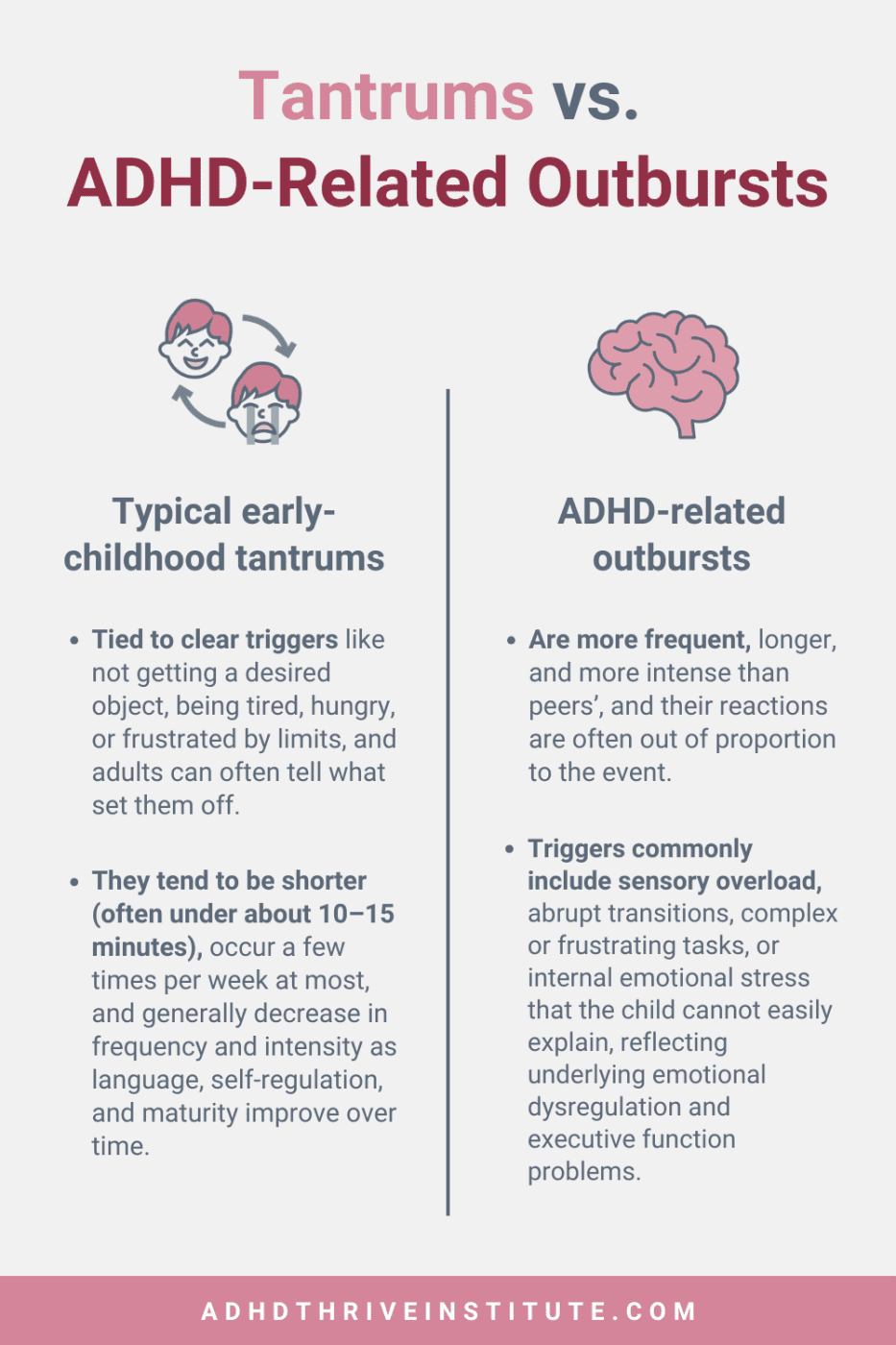
Tantrums vs. ADHD-Related Outbursts
It’s important to understand the difference between a typical tantrum and an ADHD-related anger outburst:
Typical early-childhood tantrums are usually tied to clear triggers like not getting a desired object, being tired, hungry, or frustrated by limits, and adults can often tell what set them off. They tend to be shorter (often under about 10–15 minutes), occur a few times per week at most, and generally decrease in frequency and intensity as language, self-regulation, and maturity improve over time.
ADHD‑related outbursts, on the other hand, are more frequent, longer, and more intense than peers’, and their reactions are often out of proportion to the event. Triggers commonly include sensory overload, abrupt transitions, complex or frustrating tasks, or internal emotional stress that the child cannot easily explain, reflecting underlying emotional dysregulation and executive function problems.
When tantrum-like outbursts are related to ADHD/emotional dysregulation, they are more likely to persist past the preschool years into school age and sometimes adolescence, especially if the ADHD and regulation skills are not effectively addressed.
Syntheses of multiple studies suggest that around one‑third to two‑thirds of people with ADHD show significant emotional dysregulation, including frequent anger, irritability, and emotional over‑reactivity.
In fact, this is such a common issue that a 2023 PLOS One paper explicitly argues for emotion dysregulation as a core feature of ADHD. 3
Nonetheless, many families are never told that this is a common part of the diagnosis.
So if you’ve ever wondered, “Can ADHD cause anger?” or “Why does my child get so angry so fast?” you’re asking the right questions.
The answers may be rooted deeper than behavior alone.
What Causes Anger Issues in Children with ADHD?
If your child moves from being completely fine one minute to melting down the next, it’s not just “bad behavior.” There are real, biological reasons behind these explosive reactions.
In kids with ADHD, anger is often the result of internal overwhelm: a combination of poor emotional regulation, hidden stressors inside the body, and even the side effects of common treatments. Understanding these underlying biological stressors in the body is the first step toward helping your child feel calmer and more in control.
Let’s break down some of the most common ADHD anger triggers:
1. Poor Impulse Control and Emotional Regulation
Children with ADHD often have underdeveloped executive function skills: the brain’s ability to pause, think, and choose a response before reacting. When something frustrating happens, their brain is wired to react first and process later.
This isn’t a child choosing to react in anger. It’s a neurological response.
Studies show that the prefrontal cortex (the area responsible for self-control and emotional regulation) develops more slowly in kids with ADHD. This delayed maturation makes it harder for them to stop an outburst once it starts or even recognize that it’s building in the first place.
So what looks like defiance or disrespect is often a neurological inability to pump the brakes.
2. Inflammation and Gut Imbalances
Many parents have never been told about how the gut and the brain are in constant communication. When the gut is inflamed, the brain feels it.
Your child’s gut is responsible for producing key neurotransmitters that influence mood, focus, and behavior. In fact, roughly 90-95% of the body’s serotonin (the “feel good” chemical that helps regulate mood and emotion) is made in the gut, not the brain.
There is growing research on the gut–brain axis and ADHD, suggesting that gastrointestinal problems and inflammation might influence mood and behavior more than ever realized previously.
So, if your child is dealing with gut inflammation (from things like food sensitivities, bacterial imbalance, or even chronic stress), that can impact their mood. In many cases, it shows up as irritability, aggression, or emotional outbursts.
This is especially common in kids with ADHD, who often already have a sensitive nervous system. When the gut is overloaded, the brain becomes reactive, and anger becomes one of the clearest signs that something is off inside the body.
3. Nutrient Deficiencies and Toxic Load
Another overlooked underlying stressor that can lead to anger in kids with ADHD is nutrient depletion, particularly low levels of nutrients like:
- Vitamin B6 and zinc (essential for mood stability and emotional regulation)
- Magnesium, which helps calm the nervous system
- Omega-3 fatty acids, which support focus and impulse control
Some studies suggest that low levels of these nutrients can contribute to ADHD symptoms and anger issues in children.
Think of it like this: when a child’s body is already running on empty, even a small stressor can cause a major reaction. The result is a sudden outburst, a short temper, and what feels like unpredictable behavior (but is actually the body saying, “I can’t handle any more”).
4. Medication Side Effects
Sometimes, the very thing that’s meant to help can actually make things harder. Unfortunately, some ADHD medications can cause or worsen anger issues in certain kids.
Not all children react this way, and this isn’t about being “anti-medication.” Medication can be helpful for some families. But it’s important to understand that increased irritability, aggression, or mood swings are known side effects of many stimulant-based ADHD medications.
I’ve worked with many parents who said, “The meds might have helped for focus, but the anger got worse.”
We believe in informed choice, and that means knowing that there are natural strategies that can support your child’s biology without triggering those kinds of side effects.

What ADHD Anger Outbursts Can Look Like by Age
Anger can show up in a lot of different ways, especially when ADHD is in the picture.
Knowing what to look for and how it tends to show up at different developmental stages can help you respond with more compassion, more strategy, and more clarity.
Let’s break it down by age group. Keep in mind as you read through this list, though, that each of the below patterns are common but not universal in ADHD, and that similar anger patterns can appear with other diagnoses or in neurotypical kids under stress.
Toddlers and Preschoolers (Ages 2–5)
At this age, it can be tough to tell the difference between “typical” tantrums and those fueled by ADHD-related dysregulation. But there are a few signs that may point to something deeper:
- Frequent, intense tantrums that last longer than most children their age
- Trouble calming down even after the situation is resolved
- Hitting, biting, or throwing as a first response to frustration
- Extremely low frustration tolerance, even for small changes
- Overreaction to sensory input like loud sounds, bright lights, or scratchy clothes
What’s happening here is often neurological. These kids don’t yet have the brain development to manage big emotions, and when ADHD is in the mix, their nervous system is already on high alert. One thing to keep in mind is that environment, skills, and co‑occurring conditions also shape how anger looks at this age.
School-Age Kids (Ages 6–10)
As kids get older, you may start to see anger take on a different shape. By this age, expectations increase at home, at school, and socially. But if your child’s executive function hasn’t caught up, these expectations can feel overwhelming.
Anger at this stage might look like:
- Yelling, name-calling, or slamming doors
- Sudden emotional outbursts, especially after school or during transitions
- Refusal to follow directions that quickly escalates into a power struggle
- Irritability or agitation that seems to come out of nowhere
- Explosive reactions to what seem like small frustrations
You may hear phrases like, “He just snapped” or, “She’s always on edge.” But under the surface, this is often a child who is struggling to process internal stress and doesn’t yet have the tools to regulate.
Tweens and Preteens (Ages 11–13)
By the time children reach this stage, their anger can become more targeted, defensive, or withdrawn. Hormonal shifts add another layer to an already overloaded system, and kids with ADHD may start to internalize their struggles, leading to shame, resentment, or anxiety.
Common signs at this age include:
- Sarcasm, backtalk, or defiance
- Avoidance of responsibilities that leads to conflict
- Verbal aggression (toward siblings, parents, or peers)
- Frequent arguments or a “short fuse”
- Isolation or shutdown after emotional outbursts
- Emotional meltdowns behind closed doors, often followed by regret
This stage can feel particularly tough for parents. You may see a child who seems “too old” to be melting down and feel unsure how to respond. These kids aren’t choosing to explode or retreat. They’re overwhelmed, under supported, and desperately in need of tools that match their biology.

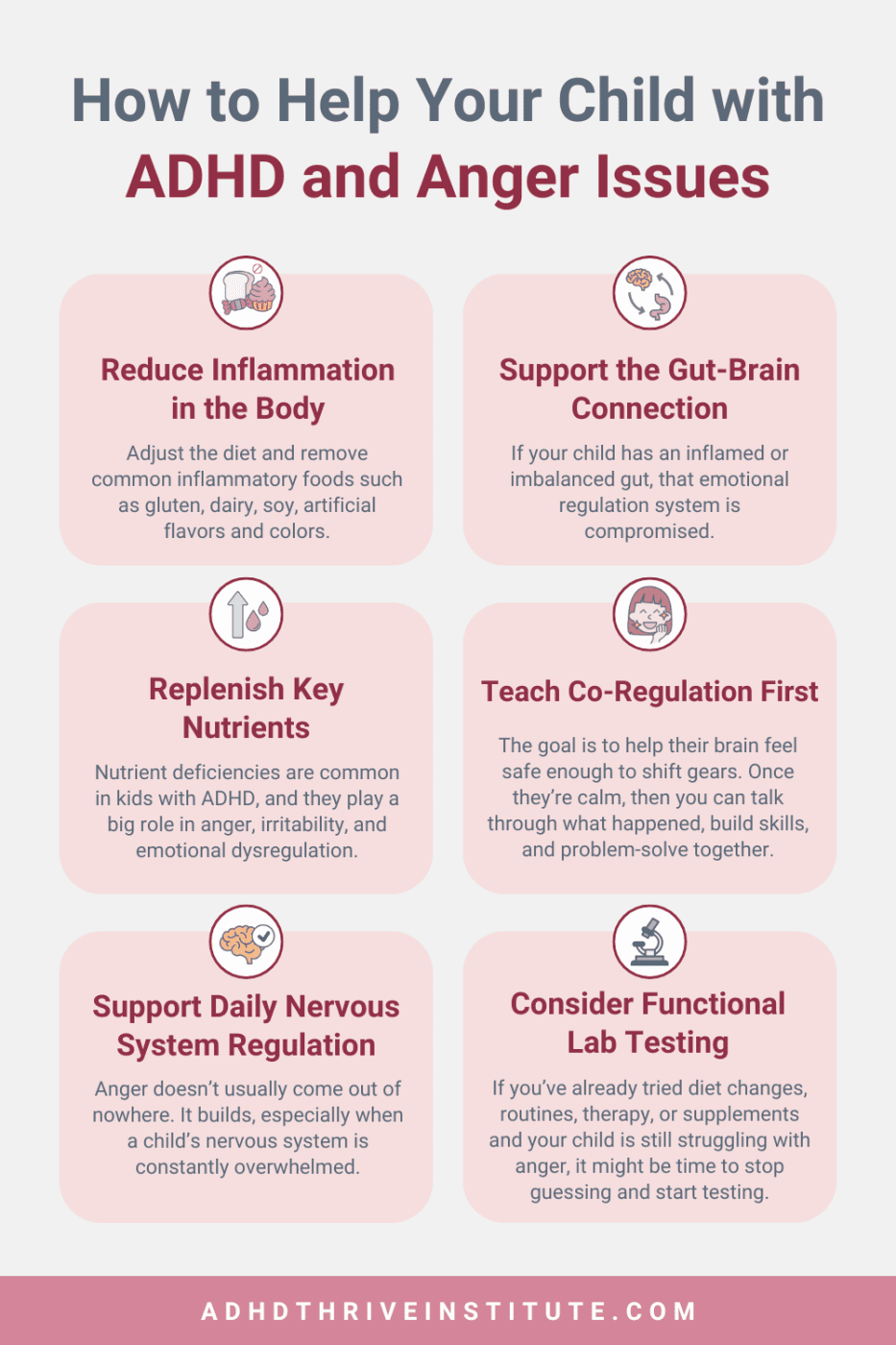
How to Help Your Child with ADHD and Anger Issues
If your child’s anger feels unpredictable, exhausting, or even a little scary at times, please know that you don’t have to stay stuck in survival mode. When you understand what’s really driving their anger, you can start using strategies that work with their biology, not against it.
Here’s where to start:
- Reduce Inflammation in the Body
One of the fastest ways to lower the intensity of ADHD anger outbursts is to reduce the hidden triggers that are putting their body in constant fight-or-flight mode.
That means, first of all, adjusting the diet and removing common inflammatory foods such as gluten, dairy, soy, artificial flavors and colors, excessive amounts of sugar, and inflammatory oils.
These foods disrupt the gut, spike blood sugar, and keep the nervous system on edge. When we remove them and replace them with nutrient-rich, calming foods, the brain can finally start to regulate.
This step alone often leads to fewer meltdowns, shorter outbursts, and a calmer baseline overall.
- Support the Gut-Brain Connection
We now know that up to 95% of serotonin (the neurotransmitter that helps regulate mood) is produced in the gut. If your child has an inflamed or imbalanced gut, that emotional regulation system is compromised.
Here are a few ways to support gut health:
- Add fermented foods like sauerkraut or coconut yogurt
- Use targeted probiotics (based on lab testing where possible) – This is my favorite probiotic.
- Increase fiber from vegetables and fruit
- Reduce exposure to toxins like pesticides, artificial fragrances, and plastics
- Focus on healing the gut lining with targeted supplements, ideally based on functional lab testing if possible
When the gut calms down, so does the nervous system, and that means fewer angry outbursts, more flexibility, and more resilience in challenging moments.
- Replenish Key Nutrients
Nutrient deficiencies are common in kids with ADHD, and they play a big role in anger, irritability, and emotional dysregulation.
In many cases, children with ADHD are not absorbing nutrients well due to poor gut health. That’s why using functional lab testing can be so powerful. It shows exactly what your child is missing, so you’re not guessing when you begin supplementing.
- Teach Co-Regulation First
When your child is angry, their brain is operating from a survival state. They can’t reason, reflect, or regulate until their nervous system calms down.
That’s why trying to “talk them through it” in the middle of an outburst often backfires. Instead, focus on co-regulation first:
- Stay calm yourself (even when it’s hard)
- Keep your tone neutral and your body language soft
- Use short, simple phrases (“You’re safe. I’m here.”)
- Create space for them to ride the wave without shame or punishment
The goal is to help their brain feel safe enough to shift gears. Once they’re calm, then you can talk through what happened, build skills, and problem-solve together.
- Support Daily Nervous System Regulation
Anger doesn’t usually come out of nowhere. It builds, especially when a child’s nervous system is constantly overwhelmed.
Daily practices that help regulate the nervous system include:
- Consistent routines (especially morning and bedtime)
- Plenty of movement and exercise (walking, bouncing, climbing, stretching)
- Breathing or mindfulness exercises (like box breathing or balloon breaths)
- Screen-time limits, especially before bed
- Outdoor time to reset and ground the nervous system
- Sleep support – ADHD kids often need help with both falling and staying asleep
These small shifts don’t eliminate anger, but they reduce the intensity, build resilience, and help your child recover faster when frustration does show up.
- Consider Functional Lab Testing
If you’ve already tried diet changes, routines, therapy, or supplements and your child is still struggling with anger, it might be time to stop guessing and start testing.
Functional lab testing can reveal:
- Gut imbalances
- Nutrient deficiencies
- Food sensitivities
- Toxin exposure
- Neurotransmitter disruption
- Detoxification challenges
When we can see what’s happening inside the body, we can build a plan that truly supports emotional regulation at the biological level, not just on the surface.
To learn more about functional lab testing, read our 4-part series at the links below:
Remember, every child gets upset sometimes. That’s part of growing up. But if your child’s anger feels extreme, constant, or disruptive to daily life, it may be time to dig deeper.
Here are a few signs it’s time to seek help:
- Angry outbursts happen daily or feel explosive
- Your child’s anger leads to aggression, destruction, or harm
- Their mood swings seem out of proportion to the situation
- Anger is affecting friendships, school, or family relationships
- You’ve tried conventional strategies and nothing is improving
Maybe you’ve been told this is just “how ADHD is.” But anger is a signal, one that your child’s body is overwhelmed and needs support.
Whether that stress is coming from inflammation, nutrient imbalances, poor sleep, or something else, support is available, and there are natural ways to help them feel better.
Ready to Learn More?
If you’re ready to understand what’s really going on inside your child’s body, I invite you to watch my free masterclass on How to Help Your Child with ADHD Thrive Naturally.
You’ll learn the exact framework I’ve used with over 1,500 families to reduce ADHD symptoms without relying on guesswork or endless meltdowns.
👉 Click here to watch the free masterclass now
Frequently Asked Question about ADHD and Anger in Children:
Is anger a symptom of ADHD?
Yes, emotional dysregulation, including anger, is a common but often overlooked symptom of ADHD. Kids with ADHD often struggle to manage frustration, which can lead to intense outbursts.
Why does ADHD cause so much anger in children?
ADHD impacts the parts of the brain responsible for impulse control, emotional regulation, and executive function. When combined with things like inflammation, poor sleep, or nutrient deficiencies, anger can become more frequent and intense.
What are common anger triggers for kids with ADHD?
Frustration with tasks, transitions, sensory overload, hunger, lack of sleep, and feeling misunderstood are all common anger triggers. Many of these are made worse when a child’s body is already under stress.
Can ADHD medication cause anger issues?
Some stimulant medications can cause irritability, mood swings, or increased aggression in certain children. Not every child will have this reaction, but if anger worsens after starting or adjusting meds, talk to your provider.
What’s the best way to manage anger in kids with ADHD?
We start by addressing underlying biological stressors like diet, gut health, sleep, nutrient levels, and daily structure. Co-regulation techniques, consistent routines, and functional lab testing can also help reduce the intensity and frequency of outbursts.
Does my child need therapy or medication for ADHD-related anger?
Therapy can be incredibly helpful, especially for developing coping skills and emotional regulation. Medication can sometimes be supportive in some cases, but it’s not the only option. Many families see lasting improvements through natural strategies that address what’s going on in the body.
What if my child’s anger is worse in the morning?
This is common. Blood sugar imbalances, poor sleep, and lack of structure can all contribute to morning anger. Creating a calming morning routine and supporting the nervous system through diet and sleep can help.
References:
1.https://www.apa.org/monitor/2024/04/adhd-managing-emotion-dysregulation
2. Biederman J, DiSalvo M, Woodworth KY, Fried R, Uchida M, Biederman I, Spencer TJ, Surman C, Faraone SV. Toward operationalizing deficient emotional self-regulation in newly referred adults with ADHD: A receiver operator characteristic curve analysis. Eur Psychiatry. 2020 Feb 24;63(1):e21. doi: 10.1192/j.eurpsy.2019.11. PMID: 32093797; PMCID: PMC7315889.
3.Soler-Gutiérrez A-M, Pérez-González J-C, Mayas J (2023) Evidence of emotion dysregulation as a core symptom of adult ADHD: A systematic review. PLoS ONE 18(1): e0280131. https://doi.org/10.1371/journal.pone.0280131.
4. P. Shaw, K. Eckstrand, W. Sharp, J. Blumenthal, J.P. Lerch, D. Greenstein, L. Clasen, A. Evans, J. Giedd, & J.L. Rapoport, Attention-deficit/hyperactivity disorder is characterized by a delay in cortical maturation, Proc. Natl. Acad. Sci. U.S.A. 104 (49) 19649-19654, https://doi.org/10.1073/pnas.0707741104 (2007).