If you’ve been following along in our 4-part series on functional lab testing for ADHD, you already know we believe in getting to the why behind your child’s symptoms (not just managing them on the surface).
In Part 1, we looked at how the Wheat Zoomer and Food Sensitivity Testing uncover inflammation and immune reactions to food that can exacerbate ADHD symptoms.
In Part 2, we dove into the Organic Acid Test, a simple urine test that maps out your child’s detox pathways, nutrient deficiencies, neurotransmitter activity, and more.
And now, in Part 3, we’re turning our focus to the gut.
Because here’s the truth: your child’s gut health affects way more than just digestion.
The gut is like mission control for the whole body, deeply connected to:
- The immune system
- The nervous system (hello, gut-brain connection)
- Hormone balance
- Detoxification
- Even behavior, focus, and emotional regulation
When something’s off in the gut (whether it’s inflammation, yeast overgrowth, bacterial imbalance, or poor digestion), it can show up as everything from meltdowns and mood swings to anxiety, brain fog, or hyperactivity.
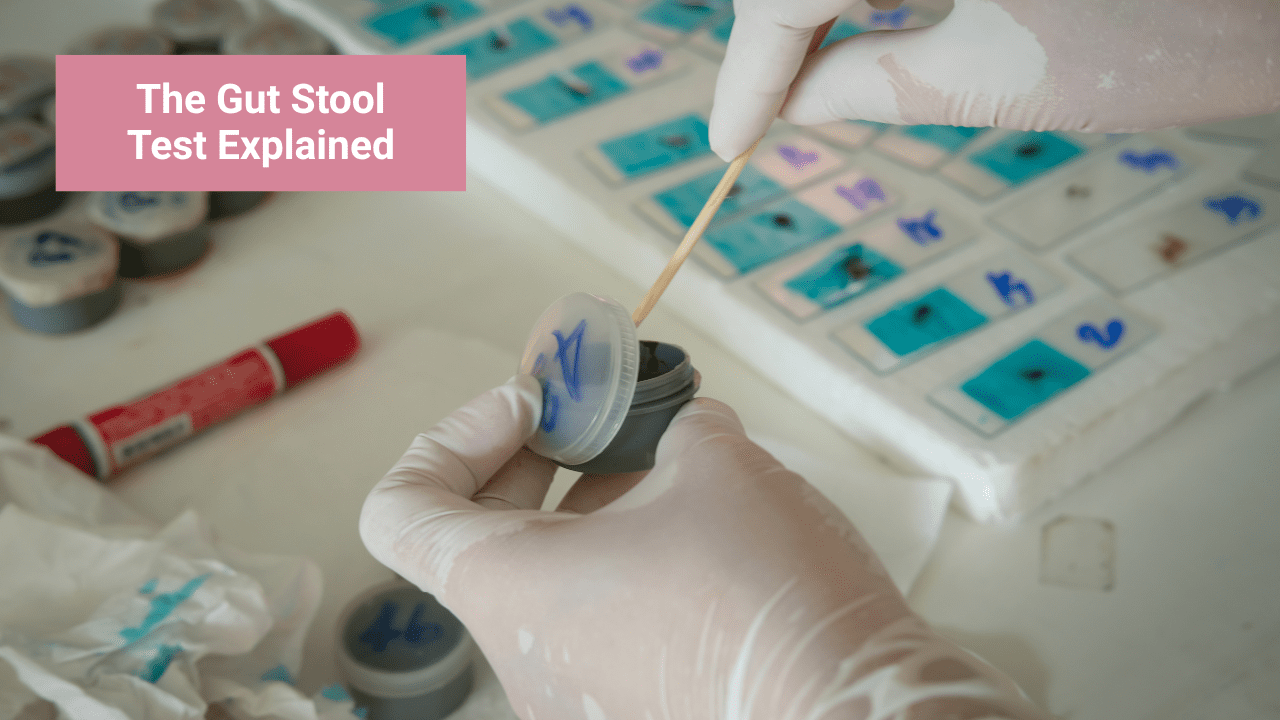
That’s why we use comprehensive stool testing inside our programs. It doesn’t just show us if something is wrong; it shows us where the problem is coming from and how to fix it.
In this post, you’ll learn exactly what a gut stool test reveals, why we use the Gut Zoomer from Vibrant Wellness, and how this kind of testing helps us support kids with ADHD in a much more targeted, effective way.
Let’s dig in.
What a Gut Test Can Reveal (And Why It Matters for ADHD)

Most parents think of gut health in terms of bellyaches or constipation, but when we talk about gut issues in kids with ADHD, we’re talking about so much more.
Even when there are no obvious digestive symptoms, the gut can still be inflamed, imbalanced, or overwhelmed, and that internal stress often shows up as typical ADHD symptoms like mood swings, aggressive outbursts, distraction, hyperactivity, sleep problems, or sensory issues.
That’s why we use comprehensive stool testing in our program. This test gives us deep insight into what’s really going on inside your child’s gut.
Here’s what a high-quality stool test like the Gut Zoomer from Vibrant Wellness looks at and why each of these markers matters for kids with ADHD:
- Pathogens (Bacterial, Viral, and Parasitic)
Some kids have hidden infections living in their gut (without any fever, vomiting, or traditional “sick” symptoms). This test looks for these bacterial, parasitic, and viral pathogens that can cause disease, disrupt normal gut balance, and contribute to chronic illnesses.
If the body is functioning at 100% and someone is exposed to harmful bacteria, the body can often fight this off and remove the bad bacteria and/or parasites. But unfortunately, for someone with a compromised immune system (which ADHD kids often have), the bad bacteria can hide out in the body, creating symptoms for months or even years.
Think of it this way: When the immune system is busy fighting off bad bugs, it doesn’t have the resources left to regulate mood or behavior. That’s why, when the body no longer has to fight off these “bad bugs,” ADHD symptoms often improve on their own.
- Inflammation Markers
The test also checks for key inflammatory markers in the digestive tract. Even low-grade gut inflammation can impact how the brain functions and how the nervous system responds to stress.
You won’t see this level of insight on a standard pediatrician’s blood panel, but you will see it on a functional stool test.
Remember: inflammation in the gut = inflammation in the brain.
- Yeast and Candida Overgrowth
Every gut has some yeast, but when it grows out of balance, it becomes pathogenic, producing chemicals that interfere with brain function.
Yeast overgrowth is incredibly common in kids who’ve taken antibiotics (even years ago). It’s one of the top red flags we see in stool testing, and it often explains a lot of a child’s ADHD symptoms.
- Absorption and Digestion Issues
The gut test also looks at how well your child is breaking down and absorbing nutrients.
If a child is eating healthy food (but their body isn’t absorbing it), they’re still undernourished, and a poorly nourished brain struggles to regulate emotions, manage focus, or stay calm.
This test helps us see whether enzymes are working properly and if the gut lining is doing its job to absorb what your child needs to thrive.
- Immune Response in the Gut
The majority of your child’s immune system lives inside the gut. When the gut is out of balance, the immune system stays in “attack mode,” even if there’s no obvious illness.
That constant immune activation leads to inflammation, which creates stress signals that travel straight to the brain. That’s the gut-brain connection in action.
Want to learn more about how the gut and brain are connected in ADHD kids?
👉 Check out this post: The Gut-Brain Connection and ADHD
In summary, the gut, or gastrointestinal system, is truly a gateway to overall health. The gut microbiome is an ecosystem of organisms including bacteria, yeasts, fungi, viruses, and protozoan throughout the digestive tract. Far beyond just digestive health, the following organ systems are also closely related to gut health:
- Immune system
- Endocrine system
- Nervous system
- Circulatory system
- Integumentary system
- Respiratory system
- Reproductive system
So Why Does This Matter for ADHD?
Because many of the symptoms labeled as “behavioral” actually start in the gut.
When we run stool testing, we often find the missing link that explains why nothing else is working—why the meds, therapies, diets, or supplements are falling short.
Gut infections, inflammation, or imbalances create a constant biological stress that keeps your child’s nervous system on edge.
Until we remove that stress and restore gut balance, it’s hard for the brain to fully regulate.
That’s why stool testing is a game-changer for many families of kids with ADHD.
Why We Use the Vibrant Wellness Gut Zoomer Test
Not all stool tests are created equal. In fact, we’ve reviewed dozens of gut tests over the years, and the Gut Zoomer from Vibrant Wellness continues to be our top pick when it comes to uncovering what’s really going on in the gut of a child with ADHD.
Check out the sample test result image below for some of the insights this test provides:
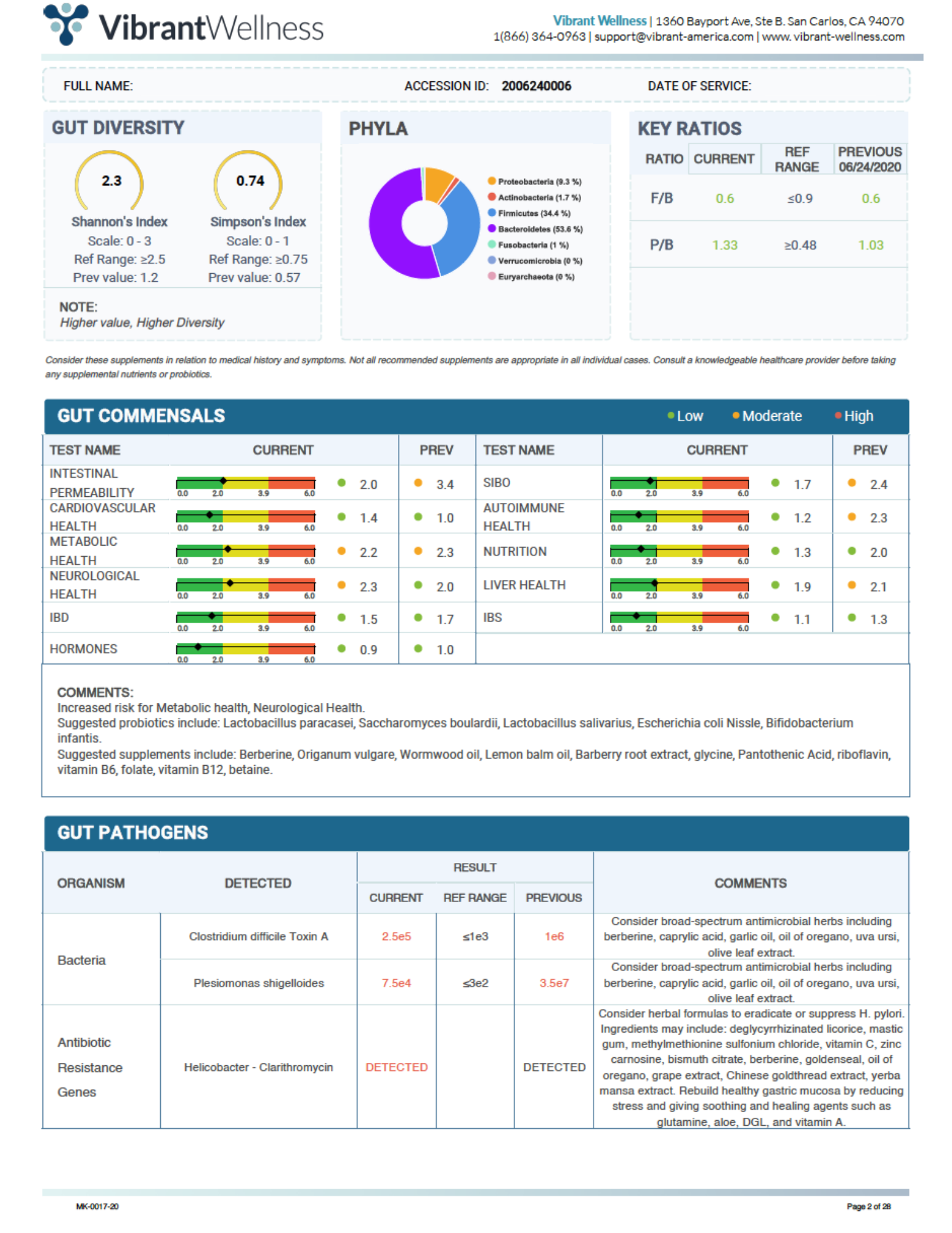
Here’s why we trust this test and why we include it in so many personalized plans inside our program:
- It’s very comprehensive.
It analyzes over 170+ organisms in the gut. That’s not a typo. This test screens for over 170 species of gut bacteria, yeasts, fungi, viruses, and parasites, including both beneficial organisms and harmful ones that may be causing chronic inflammation or disrupting gut balance.
As mentioned above, it also looks at inflammation, immune activation, digestion, and nutrient absorption. If your child isn’t breaking down fats, proteins, or carbs efficiently, even the cleanest diet won’t deliver results. This test helps us pinpoint exactly where support is needed.
Some of the most common gut imbalances we see in kids with ADHD (like candida overgrowth, clostridia, or opportunistic bacteria) aren’t caught on standard lab tests. But the Gut Zoomer picks them up with high sensitivity and specificity.
More information = fewer missed issues.
- It’s Easy and At-Home
One of the best parts is that the Gut Zoomer test can be done from the comfort of your home. There are no stressful clinic visits or invasive procedures.
Just collect a sample, send it to the lab using a prepaid mailer, and our team handles the rest. Once the results are in, we help you understand what they mean and how to take action.
Want a behind-the-scenes look at Vibrant Wellness Labs and why we trust their testing process?
👉 Read this post: Inside Vibrant Wellness Lab Testing for ADHD
When it comes to ADHD kids, you need more than surface-level answers.
The Gut Zoomer gives us:
✅ A complete map of the gut microbiome
✅ Clarity on what’s driving inflammation and dysregulation
✅ Actionable data to help your child feel and function better (faster)
It’s the test we trust most to uncover what’s hiding in the gut that could be sabotaging your child’s progress.
What Functional Stool Testing Reveals in ADHD Kids
After analyzing thousands of stool tests, we’ve observed clear biological patterns in children with ADHD. These findings help explain why so many behavioral symptoms start in the gut rather than the brain.
- Candida or Yeast Overgrowth
Yeast overgrowth is one of the most consistent findings in our ADHD population.
Candida produces organic acids such as D-arabinitol and acetaldehyde, which can alter dopamine and serotonin activity, two neurotransmitters critical for mood, focus, and impulse control.
Children often experience hyperactivity, irritability, and poor sleep when these compounds accumulate.
When yeast is reduced through targeted nutrition and gut repair, many families notice calmer behavior and more stable moods.
- Hidden Pathogens or Opportunistic Bacteria
Pathogens like Clostridia species or parasites can trigger chronic, low-grade inflammation even without digestive symptoms. Certain Clostridia strains produce toxins that interfere with dopamine metabolism, leading to agitation or difficulty focusing.
These infections also keep the immune system in overdrive, diverting resources away from brain regulation and repair.
- Leaky Gut and Immune Activation
In many of the ADHD kids we test, we see markers such as elevated zonulin or secretory IgA, indicating intestinal permeability. Read more about intestinal permeability here.
When the gut barrier weakens, food particles and bacterial fragments enter the bloodstream and provoke systemic inflammation. These inflammatory signals can cross the blood–brain barrier and disrupt normal neurotransmission, explaining why “gut issues” so often present as emotional or behavioral struggles rather than stomach pain.
- Impaired Digestive Function and Nutrient Absorption
Low pancreatic elastase or fat-digestion markers are common in this group. Poor enzyme activity means even healthy meals aren’t properly broken down.
When the body can’t access amino acids, zinc, magnesium, and essential fats, neurotransmitter synthesis falters. This leads to more distractibility, irritability, and fatigue.
- Dysbiosis and Low Beneficial Bacteria
We frequently see low levels of beneficial bacteria such as Lactobacillus and Bifidobacterium. These bacteria produce short-chain fatty acids that calm inflammation and support serotonin and GABA, neurotransmitters tied to mood and focus. When these good microbes are depleted, the gut-brain connection becomes dysregulated.
- Imbalanced Short-Chain Fatty Acids (SCFAs)
Short-chain fatty acids like butyrate are produced when beneficial bacteria ferment fiber. Low butyrate often means poor gut diversity and less protection for the brain. In some kids, we see elevated propionate, which can overstimulate neural pathways and heighten hyperactivity
The gut truly sets the stage for brain function. Understanding these biological mechanisms allows us to create targeted plans that calm inflammation, balance the microbiome, and restore the focus and emotional regulation parents are hoping for.
Why These Issues Often Go Missed in Traditional Labs
Many families we work with have already done some testing, often through a pediatrician, GI doctor, or allergist. But here’s the problem: traditional lab tests aren’t designed to look this deeply.
They’re built to flag disease, not dysfunction, and there’s a big difference between the two.
Conventional stool tests typically only look for major infections, obvious parasites, or overt signs of inflammation. They don’t test for low-grade imbalances, early-stage dysbiosis, or silent gut stress that can still wreak havoc, especially for a child with ADHD.
And here’s what’s even more confusing…Gut issues don’t always show up as stomach problems.

➡️ Sometimes they show up as mood swings.
➡️ Or intense sugar cravings.
➡️ Or brain fog, impulsivity, or meltdowns.
We’ve worked with kids who had “normal” digestive systems (no complaints of stomachaches, no constipation, no diarrhea), but their gut was full of overgrowth and inflammation. It just showed up in their behavior instead of their belly.
That’s why we don’t wait for gut symptoms to show up. We look directly at the gut itself.
Because in kids with ADHD, the gut is rarely functioning optimally, and unless we test for those hidden imbalances, we’re left guessing why nothing else is working.
How This Test Fits Into the Full Functional Testing Picture
If you’re still reading this article, you now know just how powerful a comprehensive stool test can be, not just for digestive health, but for so much more!
This test, though, is just one part of the full functional testing picture.
At the ADHD Thrive Institute, we use multiple tests to uncover what’s really going on inside the body.
In this series, we have already talked about a few other tests we love, and we still have one more test to cover next week. If you missed any of the previous posts, make sure and check them out at the links below:
- The Wheat Zoomer + Leaky Gut Panel (Part 1) – Identifies gluten sensitivity and intestinal permeability
- The Food Sensitivity Test (Part 1) – Pinpoints immune reactions to common foods
- The Organic Acid Test (Part 2) – Maps nutrient levels, detox pathways, mitochondrial function, and more
- The Comprehensive Stool Test (this post) – Reveals pathogens, inflammation, yeast, immune response, and more
- The Kryptopyrrole Test (coming in Part 4) – Helps identify biochemical imbalances that affect stress, zinc, and B6
Together, these tests offer a 360-degree view of your child’s biology. Instead of chasing symptoms, we identify the underlying stressors driving symptoms.
And time after time, the gut ends up being a major missing piece.
For many of the families we work with, gut health is the reason nothing else has worked. When the gut is inflamed, overloaded, or out of balance, the brain feels it and kids show it.
That’s why we include this test as part of the ADHD Thrive Method 4 Kids program. It gives us the clarity needed to create targeted healing plans that get to the root.
Want to Know What’s Really Going On in Your Child’s Gut?
If you’ve tried everything and your child is still struggling, this might be the test that finally brings answers.
And don’t miss the final post in this 4-part series, where we’ll explore the Kryptopyrrole Test, a lesser-known but powerful tool for understanding nutrient-driven mood and behavior struggles in kids with ADHD.
Because when you know what’s going on inside, everything starts to change on the outside.
Frequently Asked Questions about the Gut Stool Test for ADHD Kids:
- What is a gut stool test, and how is it used for kids with ADHD?
A gut stool test analyzes what’s happening inside your child’s digestive system. It looks at bacteria, yeasts, parasites, inflammation, and immune markers that traditional tests often miss. For kids with ADHD, this test helps identify underlying gut imbalances that can impact mood, focus, and behavior.
- What makes the Vibrant Wellness Gut Zoomer test different from other stool tests?
The Gut Zoomer tests over 170 organisms (including bacteria, yeasts, fungi, viruses, and parasites) and measures inflammation, digestion, and immune activity. It’s one of the most advanced gut tests available and provides a much clearer picture of what’s really happening in the microbiome, something most standard tests don’t do.
- How does gut health affect ADHD symptoms?
The gut and brain are deeply connected through what’s called the gut-brain axis. When the gut is inflamed or imbalanced, it sends stress signals to the brain, which can show up as hyperactivity, irritability, emotional outbursts, or brain fog. Healing the gut helps calm the nervous system and improve focus, regulation, and behavior.
- Does my child need to have stomach problems to benefit from gut testing?
Not at all. Many of the kids we test don’t have obvious digestive issues, but their stool tests still reveal yeast overgrowth, bacterial imbalances, or inflammation. These “silent” gut problems often show up as behavioral or emotional symptoms instead of bellyaches.
- How is the stool test done?
It’s simple and at-home. The test kit is mailed to you, and you collect a small stool sample from your child using the provided materials. Then you send it back in a prepaid mailer. There is no lab visit or needles required. Our team reviews the results and helps interpret what they mean for your child.
- What kinds of gut issues do you typically find in ADHD kids?
We often see a combination of:
- Yeast or candida overgrowth (especially after antibiotics)
- Clostridia or other opportunistic bacteria
- Leaky gut (intestinal permeability)
- Low beneficial bacteria like Lactobacillus and Bifidobacterium
- Poor digestion and nutrient absorption
Each of these can drive inflammation and affect neurotransmitters like dopamine and serotonin, key players in focus and mood regulation.
- Can this test help reduce ADHD symptoms naturally?
Yes. Once we identify what’s out of balance in the gut, we can create a targeted plan to calm inflammation, restore healthy bacteria, and improve digestion. Many families see better focus, calmer moods, improved sleep, and fewer meltdowns once the gut starts healing.
- How can I get a Gut Zoomer test for my child?
This test is included in our ADHD Thrive Method 4 Kids program. We handle the ordering, review the results with you, and create a personalized step-by-step plan for your child’s healing journey.
👉 Book a free ADHD Breakthrough Call to learn more about how this test and others can help uncover what’s really driving your child’s symptoms.