If you’ve been following this 4-part series on functional lab testing for ADHD, you already know that surface-level symptom management only goes so far. To create real long-lasting change, we have to look underneath the behaviors and identify what’s happening inside the body.
In Part 1, we explored the Wheat Zoomer Test and the Food Sensitivity Test, which uncover food-driven inflammation and immune stress.
In Part 2, we broke down the Organic Acid Test, a urine test that gives us insight into detox pathways, nutrient deficiencies, and neurotransmitter imbalances.
In Part 3, we looked at the Gut Stool Test, which reveals hidden pathogens, inflammation, and microbiome issues that can fuel ADHD symptoms from the inside out.
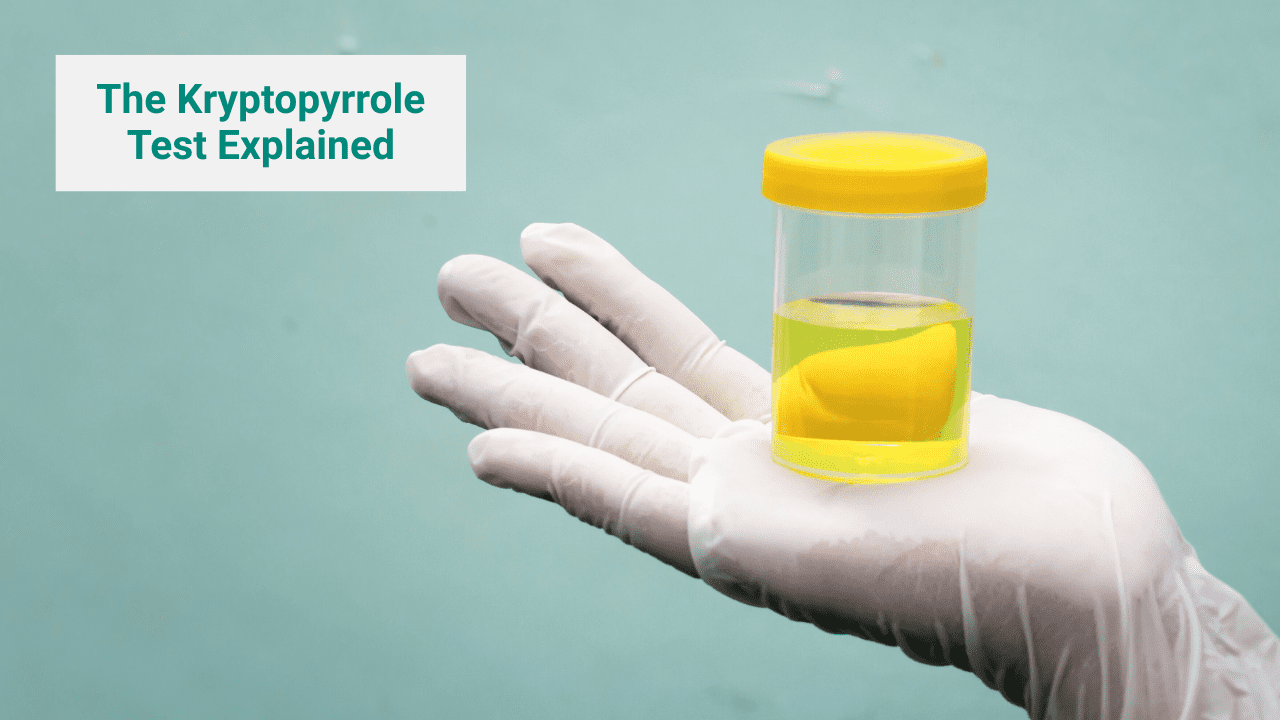
Today, we’re wrapping up this 4-part series with one of the most under-recognized but powerful tests we run: the Kryptopyrrole Test (also known as Pyroluria or Pyrroles).
It’s a simple, noninvasive urine test that tells us whether your child may be losing critical nutrients like zinc and vitamin B6 before their body even has a chance to use them.
These are two of the most important nutrients for emotional regulation, stress response, and brain health.
In this post, we’ll walk through:
- What kryptopyrroles are and how they affect the brain
- Why this test is so important for kids with ADHD
- The signs and symptoms that could point to this issue
- What we do when levels are high (and how quickly some families see changes)
- And how this test fits into the full picture of functional lab testing
Let’s dive into the biology behind behaviors and talk about one of the most overlooked underlying stressors of ADHD symptoms.
👉 Prefer to listen instead of read? Tune in to this podcast episode to learn all about Kryptopyrrole!
What Is the Kryptopyrrole Test (and Why Does It Matter for ADHD)?
The Kryptopyrrole Test — sometimes called the Pyrrole Test or Pyroluria Test — is a noninvasive urine test that looks for elevated levels of a compound called hydroxyhemopyrrolin-2-one (HPL) in the urine.
Small amounts of HPL are completely normal. But in some children (particularly those under chronic stress or those dealing with long-term inflammation), HPL builds up and begins to disrupt nutrient balance in a major way.
Here’s how:
HPL has a strong affinity for two key nutrients: zinc and vitamin B6. When these nutrients are absorbed into the bloodstream, HPL binds to them and essentially hijacks them, pulling them out of circulation before the body can actually use them. The result is that these nutrients get flushed out through the urine and are no longer available for their normal, critical roles in the brain and body.
That’s a big deal, because both zinc and vitamin B6 are essential for:
- Neurotransmitter production (including dopamine and serotonin)
- Emotional regulation and mood stability
- Immune system support
- Stress tolerance and resilience
- Focus, memory, and executive function
So when your child is low in these nutrients — not because of poor diet, but because their body is losing them too quickly — you may see symptoms like:
- Irritability
- Anxiety or poor stress tolerance
- Explosive anger or emotional outbursts
- Sensory sensitivities (to sound, light, smells)
- Poor short-term memory
- Poor appetite (especially in the morning)
- Little or no dream recall
- Frequent infections
- Allergies
- White spots on fingernails

Many kids with kryptopyrrole issues don’t have all these symptoms. In fact, some only have one or two but still test high on the scale. In our experience, about 40–50% of the kids we work with have elevated kryptopyrrole levels, and it’s often something that traditional doctors miss altogether.
That’s why we include this test in our core suite of functional labs inside the ADHD Thrive Method 4 Kids program. Because when kryptopyrrole levels are high, and zinc and B6 are consistently depleted, no amount of diet or supplements will fully work until we address that underlying stressor.
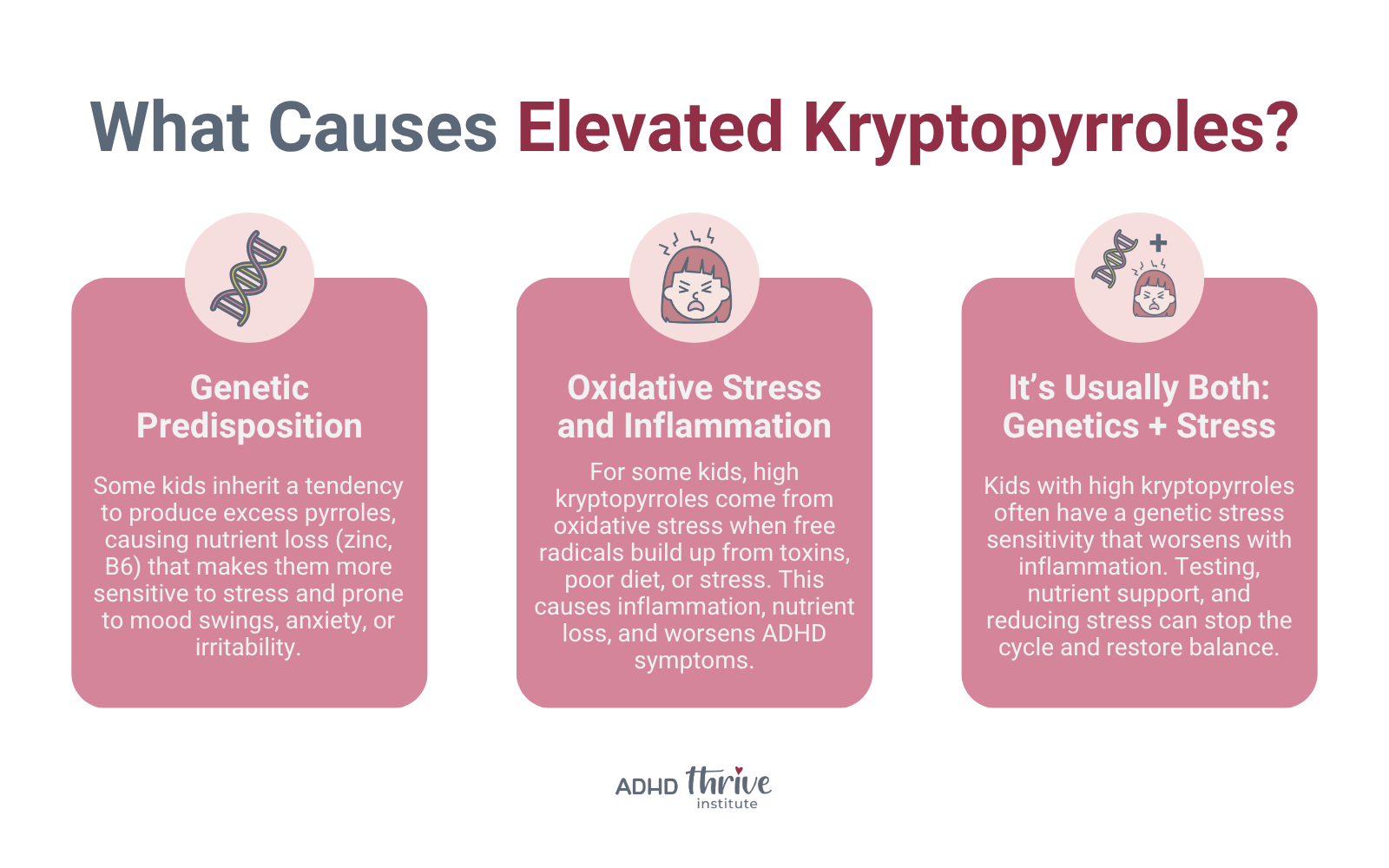
What Causes Elevated Kryptopyrroles?
You might be wondering: Why do some kids have high kryptopyrrole levels in the first place? There are a few leading theories, and the most likely answer is that it’s a combination of factors.
- Genetic Predisposition
Some children may be born with a tendency to produce more pyrroles. It’s believed that pyroluria (elevated kryptopyrroles) can run in families, and research suggests there may be a hereditary component. These kids are naturally more prone to losing key nutrients like zinc and vitamin B6, which can make them more sensitive to stress and more likely to show symptoms like mood swings, anxiety, or irritability from a young age.
- Oxidative Stress and Inflammation
For others, elevated kryptopyrroles are a byproduct of oxidative stress, a process where the body produces too many free radicals and not enough antioxidants to neutralize them.
Oxidative stress happens when your child’s body is overwhelmed by internal or external stressors (things like processed food, toxins, inflammation, poor gut health, environmental exposures, or even emotional stress). When this happens, damaging molecules (called free radicals) build up in the body, leading to cellular damage and chronic inflammation.
That inflammation can contribute to mood instability, poor sleep, trouble focusing, hyperactivity, or emotional dysregulation. In other words, oxidative stress and inflammation are known underlying stressors of common ADHD symptoms. When oxidative stress goes unchecked, it can increase kryptopyrrole production, leading to nutrient loss and an even deeper cycle of dysregulation.
👉 Want to learn more about how gut issues and inflammation fuel ADHD symptoms?
Read: The Gut-Brain Connection and ADHD
- It’s Usually Both: Genetics + Stress
In our clinical experience, many kids with high kryptopyrroles have a genetic sensitivity to stress, and when that’s combined with a high-inflammatory lifestyle or environment, things spiral quickly.
The good news is that you can interrupt that spiral by:
- Identifying elevated kryptopyrroles through testing
- Supporting the body with targeted nutrients
- Reducing sources of oxidative stress and inflammation
This is why testing matters. Because if your child’s body is losing critical nutrients faster than they can be replenished, no supplement or diet alone will be enough until you address the cause.
How to Test for Kryptopyrroles (And What the Results Mean)
If you’re wondering whether your child might have elevated kryptopyrroles, the good news is that testing is simple and non-invasive.
We use a urine test that measures the level of hydroxyhemopyrrolin-2-one (HPL), the compound responsible for depleting zinc and vitamin B6 in the body. When levels of HPL are too high, it’s a red flag that your child may be losing critical nutrients before their body has a chance to use them.
How the Test Works:
- It’s a simple at-home urine collection.
- The sample is sent to a specialty lab for analysis.
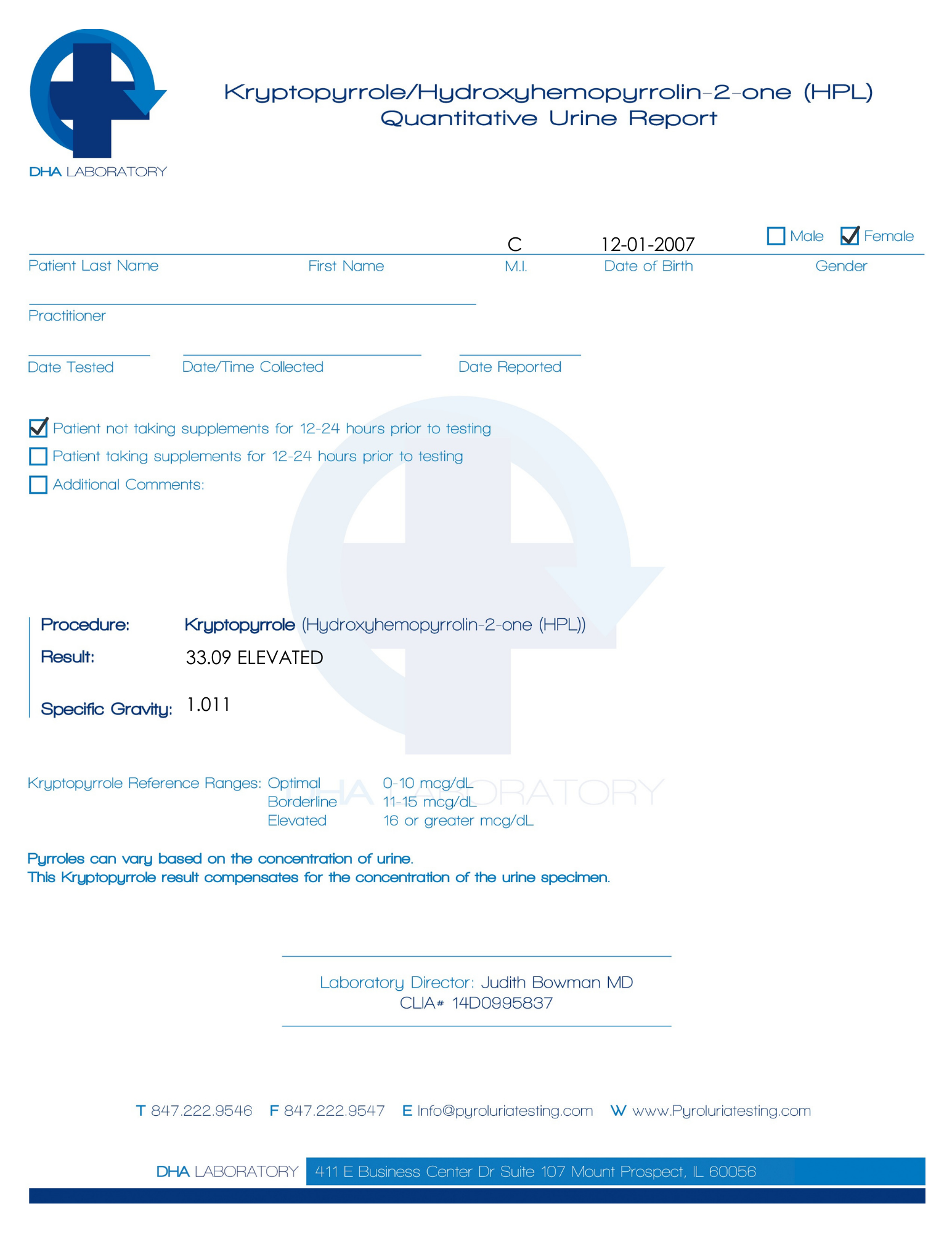
- Results classify your child’s levels as normal or optimal, borderline, or positive (elevated).
We use DHA Laboratories’ Kryptopyrrole Test, one of the most trusted and accurate options available. (It’s important to note: most traditional doctors do not run this test, and many have never heard of it.)
If the test comes back elevated, that tells us your child’s body is likely losing zinc and B6 at a rapid rate and that nutrient loss is often behind the mood swings, meltdowns, anxiety, irritability, and sensory issues you may be seeing.
Even children with only one or two symptoms (like poor stress tolerance or explosive anger) can test high for kryptopyrroles. In fact, about 40–50% of the ADHD kids we work with show elevated levels.
Check out the image below for a sample test result.
Why This Matters for ADHD Kids
If your child has elevated kryptopyrroles, that means their body is rapidly depleting two nutrients that are absolutely critical for brain health: zinc and vitamin B6.
And when the brain doesn’t have enough of those nutrients, it struggles to function properly, especially in kids with ADHD.
Vitamin B6 plays a key role in producing neurotransmitters like serotonin (mood stability, emotional regulation), dopamine (motivation, focus, reward), and GABA (calm, impulse control).
Zinc supports attention and memory, immune regulation (critical for lowering inflammation), gut integrity (important for the gut-brain connection), and sensory processing and stress resilience.
When kryptopyrroles are hijacking these nutrients before the brain can use them, your child is essentially running on empty, and the symptoms often reflect that.
But the good news is, when we identify and address these deficiencies, changes can happen fast.
For kids with mild to moderate kryptopyrrole elevation, we often see improvements within just a few weeks of starting targeted nutrient support. For others, it can take longer — especially when the condition is more severe or long-standing — but progress is still possible.
That’s why we believe functional testing is so important. You can’t fix what you don’t see.
Traditional labs don’t check for nutrient depletions like this, which is why so many families feel stuck even when they’ve “tried everything.”
👉 Read more about the difference between Functional Labs vs. Traditional Tests here
How We Support Elevated Kryptopyrroles
When kryptopyrroles are elevated, the most important next step is to replenish the nutrients being lost, especially zinc and vitamin B6. These are essential building blocks for your child’s brain and body, and restoring them can have a powerful impact on mood, focus, and emotional regulation.
But this isn’t a one-size-fits-all protocol.
Inside the ADHD Thrive Method 4 Kids, we use bioindividual support, meaning we tailor nutrient plans to match your child’s exact needs and test results. In addition to zinc and B6, some children may benefit from other supplements, depending on how elevated their levels are and what else is going on in their body.
Some kids improve quickly — within a few weeks. Others with more significant depletion or chronic stress may take several months to rebalance. In some cases, ongoing support may be needed for long-term stability.
Ready to See If Kryptopyrroles Are Affecting Your Child?
If you recognize some of the symptoms of Pyroluria in your child (things like irritability, anxiety, frequent infections, sensitivity to light or sound, or mood swings), don’t guess. There’s a simple, at-home urine test that can provide clear answers.
We guide families through this process every day, and we’d be happy to support you too.
This kind of testing takes the mystery out of your child’s symptoms and replaces it with clear data and a personalized plan.
But let’s be clear: Kryptopyrroles are just one piece of the puzzle.
Think of your child’s body like a bucket, and Pyroluria is one of many things that can add to that inflammation bucket.
When the bucket overflows, that’s when symptoms appear.
That’s why inside our program, we don’t stop at just one test or one protocol. We take a comprehensive look at what’s happening inside the body so we can reduce inflammation from multiple angles.
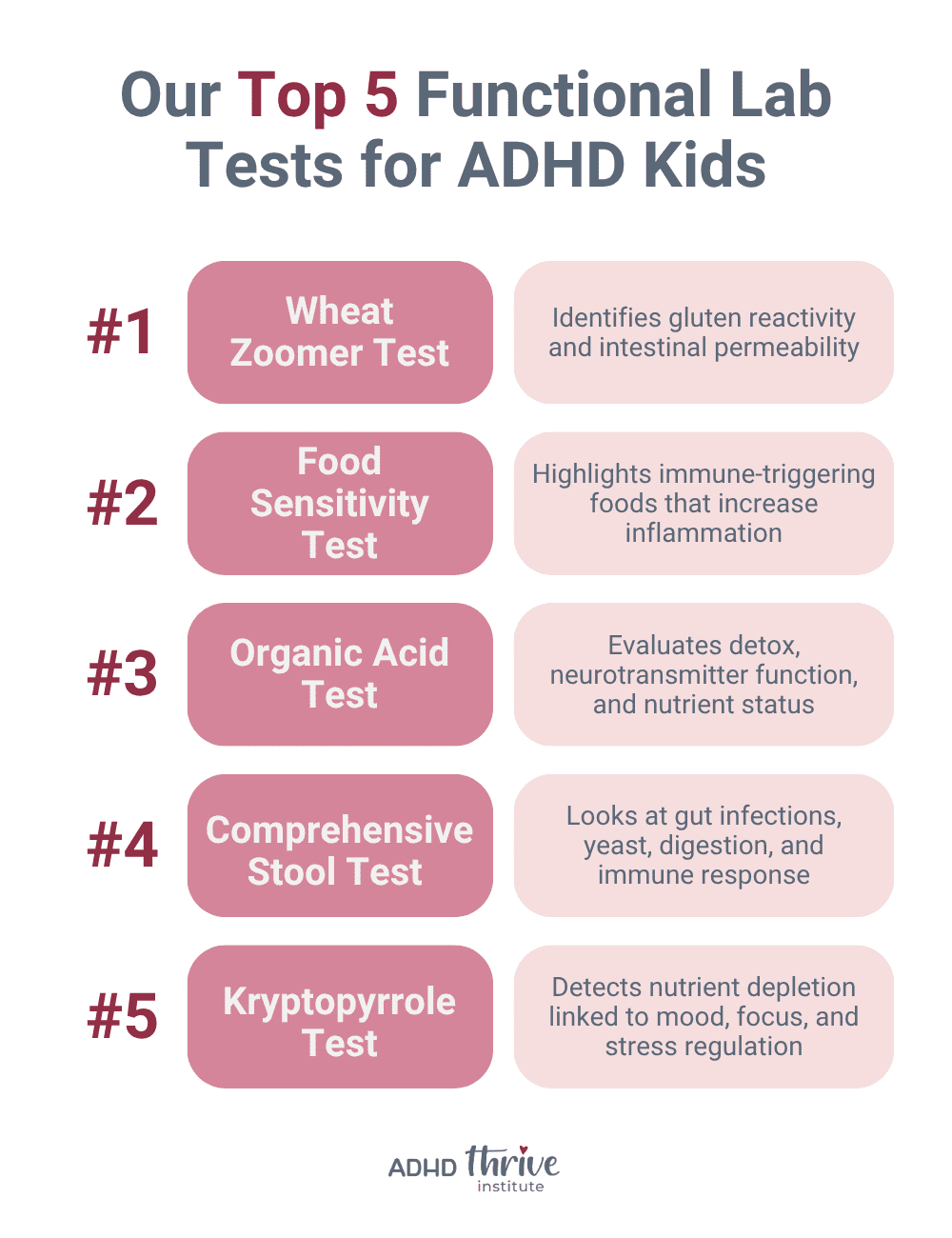
Click on the links below to learn more about the 5 core tests we use to create a full biological map of your child’s health:
1️⃣ Wheat Zoomer Test – Identifies gluten reactivity and intestinal permeability
2️⃣ Food Sensitivity Test – Highlights immune-triggering foods that increase inflammation
3️⃣ Organic Acid Test (OAT) – Evaluates detox, neurotransmitter function, and nutrient status
4️⃣ Comprehensive Stool Test – Looks at gut infections, yeast, digestion, and immune response
5️⃣ Kryptopyrrole Test – Detects nutrient depletion linked to mood, focus, and stress regulation
Together, these tests show us the “why” behind your child’s symptoms so we can finally stop guessing and start supporting what their body truly needs. Your child’s symptoms aren’t random.
They’re signals from a body that’s out of balance and overloaded.
We’ve seen time and time again that when you support the biology, the brain starts to thrive.
There is hope. There are answers. And you don’t have to do this alone.
👉 Book your free ADHD Breakthrough Call today.
Let’s uncover what your child’s body is trying to tell you and start building a path to healing together.
Frequently Asked Questions about the Kryptopyrrole Test for ADHD Kids
What is a Kryptopyrrole test?
The Kryptopyrrole test, also known as the Pyroluria or Pyrrole test, is a simple, non-invasive urine test that measures levels of a compound called HPL (hydroxyhemopyrrolin-2-one). Elevated HPL binds to and removes critical nutrients like zinc and vitamin B6, which are essential for brain function, mood regulation, and stress response. This test helps identify whether your child is losing these nutrients before their body can use them.
How is the Kryptopyrrole test done?
It’s an at-home urine collection test. You collect a small urine sample using the kit provided, send it to a specialty lab (we use DHA Laboratories), and the results are returned in just a few weeks. We help you interpret the results and build a customized plan based on your child’s needs.
Who should get a Kryptopyrrole test?
We recommend this test for children with ADHD who show symptoms like:
- Irritability or emotional outbursts
- Anxiety or stress intolerance
- Sensory sensitivities (to light, sounds, or smells)
- Poor appetite or dream recall
- Mood swings or explosive anger
- Frequent infections or allergies
- White spots on fingernails
Even if your child only has one or two of these symptoms, kryptopyrrole elevation could be playing a role.
Is Pyroluria (Kryptopyrrole disorder) genetic or caused by stress?
Research suggests it can be both. Some kids may have a genetic tendency to overproduce pyrroles, while others develop elevated levels in response to oxidative stress, inflammation, or chronic environmental stressors. In many cases, it’s a combination of genetics and lifestyle that causes kryptopyrrole levels to rise.
How do elevated kryptopyrroles affect ADHD symptoms?
When kryptopyrroles bind to zinc and vitamin B6, your child’s body loses those nutrients before they can be used. These nutrients are crucial for neurotransmitter production (serotonin, dopamine, GABA), emotional regulation, focus and attention, stress response, and immune balance. Without adequate levels, the brain and body struggle to function properly, which can lead to more intense ADHD symptoms.
What happens if my child’s test is positive?
If the test shows elevated levels, we implement a bioindividual nutrient protocol that includes zinc, vitamin B6, and other supportive nutrients, depending on the child’s specific needs. Some children improve within weeks. For others, especially those with more severe symptoms, it can take 3–12 months to fully rebalance nutrient levels.
Can’t we just take zinc and B6 supplements without testing?
We don’t recommend guessing. While zinc and B6 are important, too much can be just as problematic as too little, especially in growing children. Testing ensures we know exactly what your child needs and what they don’t.
Can this test be done through my pediatrician or regular doctor?
In most cases, no. Traditional doctors usually don’t run kryptopyrrole tests, and many are unfamiliar with Pyroluria. That’s why we offer it as part of our ADHD Thrive Method 4 Kids program and guide families through the full testing and support process.
What other tests should be done along with the Kryptopyrrole test?
We recommend the Kryptopyrrole Test as part of a complete functional testing package, which includes:
- Wheat Zoomer Test
- Food Sensitivity Test
- Organic Acid Test (OAT)
- Comprehensive Stool Test
- Kryptopyrrole Test
Together, these provide a 360-degree view of your child’s biology and help us build the most targeted, effective plan possible.
How do I get started?
Book a free ADHD Breakthrough Call with our team. We’ll help you explore whether functional testing — including the Kryptopyrrole Test — is the right next step for your child.