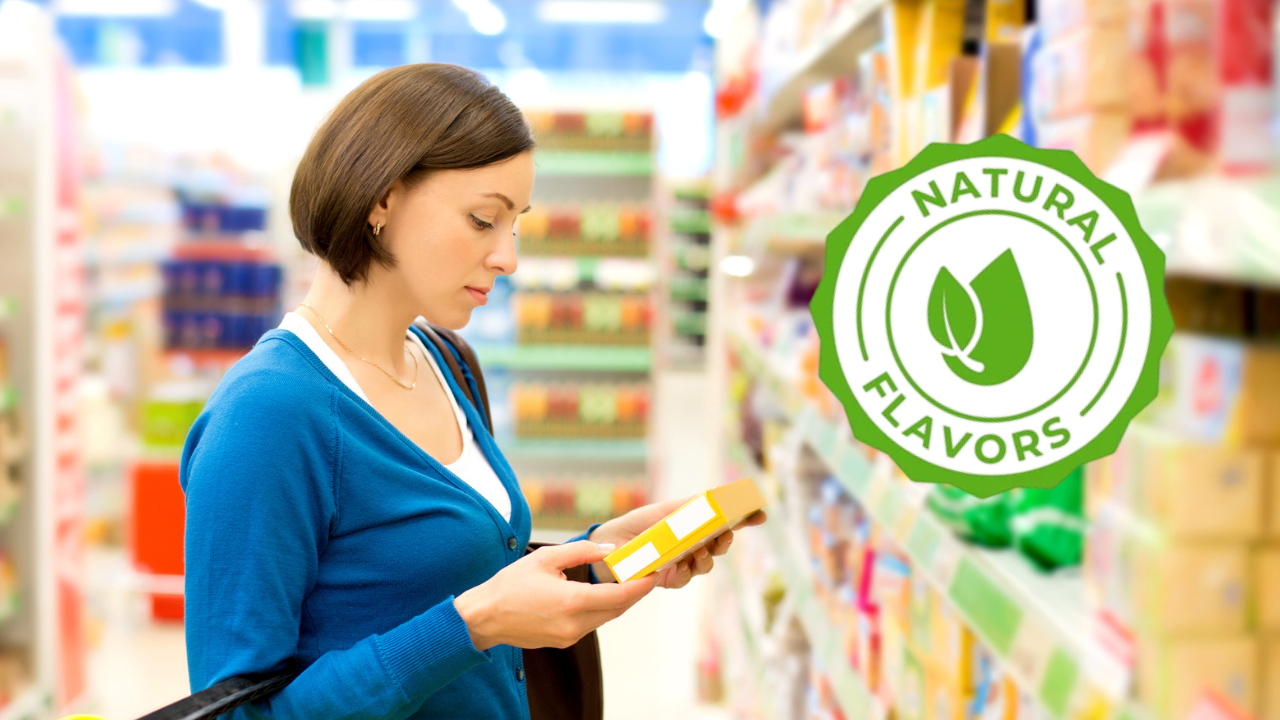
You’re standing in the grocery store, scanning ingredient labels, trying to do the right thing.
You spot a product that looks – at least at first glance – like a good option. No artificial colors. No high-fructose corn syrup. Organic. Gluten-free. It looks clean.
And then…there it is.
“Natural flavors.”
You pause. What does that even mean? Is it healthy? Is it safe for my child with ADHD? Or is it just another sneaky label trick?
If you’ve ever wondered about natural flavors, you’re in the right place. That’s what this article is all about.
Natural flavors are in nearly everything, from “healthy” snacks and organic yogurts to sparkling water and vitamins. And yet, most parents have no idea what they actually are.
Just because something is labeled “natural” doesn’t mean it’s harmless, and if your child is struggling with ADHD symptoms, this is one ingredient you’ll want to understand.
Because when it comes to ADHD, what goes into the body matters more than most people realize.
Let’s break down what natural flavors really are, why they’re used so widely, and what parents need to know to make more informed choices, especially when you're supporting a child with a sensitive system.
Misleading Labels Explained
The term “natural flavors” sounds harmless, maybe even healthy. Many parents assume that natural flavors are a safer alternative to artificial flavors, but the difference isn’t as clear-cut as it seems.
While artificial flavors are entirely synthetic and made in a lab, natural flavors start with a plant or animal source. (But the key word here is “start.”) According to the FDA, natural flavors are defined as flavoring agents derived from plant or animal sources. That includes fruits, vegetables, herbs, spices, meat, dairy, and more.
The problem is that natural flavors go through extensive chemical processing and can end up containing very similar additives, including solvents, preservatives, and emulsifiers.
The end result of those “natural” flavors often looks nothing like the original source. In fact, the final flavoring is typically a proprietary chemical blend that companies don’t even have to disclose, and the final chemical structure can be almost identical to its artificial counterpart. So while “natural” sounds better on the label, in terms of how the body processes these ingredients, the effects may not be all that different.
“Natural flavors” are, in fact, far from whole, clean, or beneficial to your child’s body.
If you’re wondering why food companies use natural flavors so often, the answer is simple: profit.

Natural flavors are used to boost taste, shelf life, and brand appeal, especially in ultra-processed foods. They help make snacks more addictive, drinks more refreshing, and even organic products more palatable to picky eaters.
Unfortunately, for children with ADHD or other sensitivities, those tiny flavoring agents can quietly add to the body’s stress load.
That’s because even small, hidden ingredients can contribute to inflammation, gut imbalances, and neurotransmitter disruption, all of which are known to exacerbate ADHD symptoms.
So when you see “natural flavors” on a label, it’s worth pausing and asking: What am I not being told here?
Up next, we’ll look at why these flavorings may be problematic, especially for kids with sensitive systems.
Are Natural Flavors Bad for You (& for Your Child with ADHD)?

So what exactly makes natural flavors a problem? Here are the biggest concerns:
#1: Lack of Transparency
The biggest problem with natural flavors isn’t just what they are. It’s what they’re allowed to hide.
Natural flavors are considered proprietary formulas, which means manufacturers don’t have to tell you what’s actually in them. That one ingredient listing could represent a combination of 50+ chemicals, and you’ll never know what they are.
That lack of transparency makes it incredibly difficult for parents to make informed decisions about what their children are actually consuming. For parents trying to pinpoint food reactions or eliminate specific triggers, this creates a major obstacle.
And while each exposure might seem small on its own, repeated exposure — especially in children with sensitive systems — can add up over time.
#2: Hidden Ingredients You Would NEVER Knowingly Consume
Some of the hidden ingredients that might fall under the “natural flavors” umbrella include synthetic solvents, preservatives, and carriers, as well as allergens.
In the United States, if a food contains any of the nine major allergens (milk, egg, peanut, tree nut, wheat, soy, sesame, fish, crustacean shellfish), that allergen must be declared on the label, so these major allergens should not be hiding in “natural flavors.” Unfortunately, the same can not be said about non‑major allergens (like some seeds, certain spices, or less common foods).
There is more room for uncertainty with these, because the law does not require separate explicit listing. In those cases, people with less common allergies may need to contact manufacturers to clarify what is in the flavoring.
In our practice, we teach families to avoid specific inflammatory foods, because they can place additional stress on the gut, the immune system, and the brain. Unfortunately, with “natural flavors,” families don’t know if they’re avoiding certain foods or not, because none of it has to be disclosed on the label.
There are also some downright disgusting ingredients used in “natural” flavors, such as:
Castoreum: This flavoring agent, used in some vanilla and raspberry-flavored products, comes from the secretions of beaver castor sacs, which are near the base of their tails.
Its use is rare today, but its very existence in the flavoring world is quite astonishing.
Cochineal Extract (Carmine): This bright red dye is made from crushed insects.
Yes, you read that right. INSECTS! It's used in foods and cosmetics to get those vibrant reds and pinks.
Shellac: This gives candies their shine, but it's actually made from female lac bug secretions.
Ambergris: This rare ingredient, found in the digestive system of sperm whales, has been used to flavor some high-end food and beverages.
Lanolin: Derived from the oil glands of sheep, lanolin is often used in the production of vitamin D3 supplements and can be found in some fortified foods and drinks.
What’s even more concerning is that these ingredients (or others like them) may still be hiding in foods marketed as healthy or organic.
#3: Still Found in Organic and Gluten-Free Products
Many families assume that choosing organic or gluten-free foods guarantees safety, but unfortunately, that’s not always true. According to USDA guidelines, organic natural flavors must be derived from natural sources and cannot include synthetic solvents or artificial preservatives. But that doesn’t mean they’re automatically clean or transparent.
The specific ingredients used to create those natural flavors still don’t have to be listed, and some may include allergens or ingredients that can still irritate the gut or contribute to inflammation, particularly in kids with ADHD.
So while “organic” is a step in the right direction, it doesn’t always mean the natural flavors used are free from potential triggers.
Don’t rely solely on marketing claims like “natural,” “organic,” or even “gluten-free” to determine if a product is safe for your child. As you can now see, these labels can be misleading, especially when it comes to natural flavors.
Always read the full ingredient list, and if you see “natural flavors” without clarification, consider it a red flag. A good tip is to reach out to the manufacturer and ask what’s actually in their flavoring, or better yet, choose brands that are transparent about their ingredient sourcing right on the label.
#4: Potential to Create Inflammation
Chronic, low-grade inflammation is one of the most common — and overlooked — drivers of ADHD symptoms. Additives like natural flavors may seem harmless in small amounts, but when consumed regularly, they can contribute to the kind of systemic stress that affects gut health, immune function, and ultimately, brain behavior.
#5: Biological Stress Adds Up
It’s not about one snack or one ingredient. It’s about the cumulative impact. Every additive, every processed food, every source of hidden stress stacks up in the body.
For kids with ADHD, who already tend to have underlying inflammation or imbalances, this additional load can keep them stuck in a cycle of emotional dysregulation, poor focus, and impulsive behavior.
Avoiding natural flavors might feel like a small step, but it’s one that can help reduce stress on the body, support a healthier gut-brain connection, and create real improvements in how your child feels and functions day to day.
How to Avoid Natural Flavors: Practical Tips for Parents

So, how can you actually avoid natural flavors, especially when they seem to be in everything?
The truth is, you might not be able to avoid them 100% of the time, and that’s okay. I am not one to say you can't have anything ever. Instead, it’s important to focus on balance and on making informed decisions for your child.The goal here isn’t perfection. It’s awareness. When we reduce the overall inflammatory load on the body, it can make a huge difference in how our kids feel and function. Every small swap matters.
Here are some ways to minimize natural flavors in your child’s diet:
#1: Read the full ingredient list, not just the front of the package.
Ignore the flashy claims like “all-natural” or “organic.” These don’t always mean what you think they do. Turn the product around and check the actual ingredient list. If you see “natural flavors,” that’s your cue to dig deeper or choose a better option.
#2: Look for full ingredient transparency.
Instead of vague terms like “natural flavors,” seek out labels that clearly list the real source, like “lemon oil,” “vanilla bean extract,” or “strawberry puree.” These are whole food-based and much less likely to contain hidden additives.
#3: Choose real, whole foods when possible.
The best way to avoid hidden ingredients is to cook at home using fresh, whole ingredients. Meals made from scratch give you complete control over what goes into your child’s body. If that’s not always realistic (we get it!), even reducing packaged foods a little bit can help.
#4: Opt for single-ingredient snacks.
Snacks like apple slices, raw nuts (if tolerated), hard-boiled eggs, or veggies with hummus are naturally free from additives. When you do buy packaged snacks, look for brands that avoid “natural flavors” altogether or that clearly disclose what’s in them.
#5: Support clean-label brands.
Some companies go above and beyond in disclosing every ingredient. These are the brands that list exactly what their flavorings are made from. They avoid vague terms or hidden additives. Apps like EWG’s Food Scores or Yuka can help identify products with clean labels and fewer hidden ingredients.
Remember, ADHD symptoms are often tied to biological stress, and diet is one of the most powerful tools we have to reduce that stress. Avoiding artificial and hidden ingredients like natural flavors is a key part of calming inflammation, supporting gut health, and helping your child’s brain and body thrive.
The Gut-Brain Connection Starts with What’s on the Label
So now that you know what to look for and how to avoid hidden additives like natural flavors, let’s zoom out and remember why this matters in the first place.
Even small exposures to inflammatory foods, when repeated daily, can add to the overall stress on your child’s body.
For kids with ADHD or other sensitivities, that biological stress can show up as big emotions, focus issues, meltdowns, or chronic irritability.
Just because something is labeled “natural” doesn’t mean it’s harmless. These ingredients may be legally allowed, even in organic or gluten-free products, but that doesn’t mean they’re truly supportive of your child’s health.
The good news, though, is that you don’t have to change everything overnight. You just have to start becoming more aware of what’s going into your child’s body and how it might be affecting their brain and behavior.
This is exactly what we teach families inside our programs: how to reduce inflammation, calm the nervous system, and support the gut-brain connection through real food and targeted natural strategies like functional lab testing and supplementation.
If you're ready to dive deeper into how diet and biology play a role in ADHD (and what you can do about it), I’d love to invite you to our free masterclass on Reducing ADHD Symptoms Naturally.
Inside, I’ll walk you through the framework that’s helped thousands of families reduce symptoms naturally.
Register now and take that first step toward helping your child feel better from the inside out.
FAQ: Natural Flavors and ADHD: What Parents Need to Know
What are natural flavors, really?
Natural flavors are chemically processed compounds derived from plant or animal sources. They’re used to enhance flavor in food products, but the exact ingredients are often undisclosed. Despite the name, they are far from “natural.”
Are natural flavors bad for you?
Not always, but the lack of transparency is a major concern. Some natural flavors can contribute to inflammation, contain hidden allergens, or stress the body’s detox systems. For kids with ADHD or sensitivities, repeated exposure can make symptoms worse.
Are natural flavors allowed in organic foods?
Yes. Even USDA-certified organic products can include natural flavors. Organic natural flavors must meet stricter sourcing rules (e.g., no synthetic solvents), but manufacturers still don’t have to reveal what’s inside.
Can natural flavors contain gluten, dairy, or soy?
If a major allergen is present, it must be disclosed under U.S. labeling laws. However, non-major allergens might not be listed. If you’re concerned, contact the brand directly.
What are better alternatives to natural flavors?
Look for real food ingredients on the label like “vanilla extract,” “lemon oil,” or “strawberry purée.” These are less processed and more transparent. You can also choose whole, single-ingredient snacks or clean-label brands that list their full flavor profiles.
Can avoiding natural flavors help reduce ADHD symptoms?
It may, in combination with other natural strategies. Natural flavors can be a hidden source of inflammation or biological stress, two things we know can worsen ADHD symptoms. While it’s not about perfection, reducing overall inflammatory load through diet is one of the most powerful ways to support your child’s focus, mood, and behavior naturally.
How do I learn more about reducing ADHD symptoms naturally?
Join our free masterclass: Reducing ADHD Symptoms Naturally. You’ll learn the framework we’ve used to help thousands of families reduce symptoms by addressing the underlying biological stressors in the body without relying solely on medication.